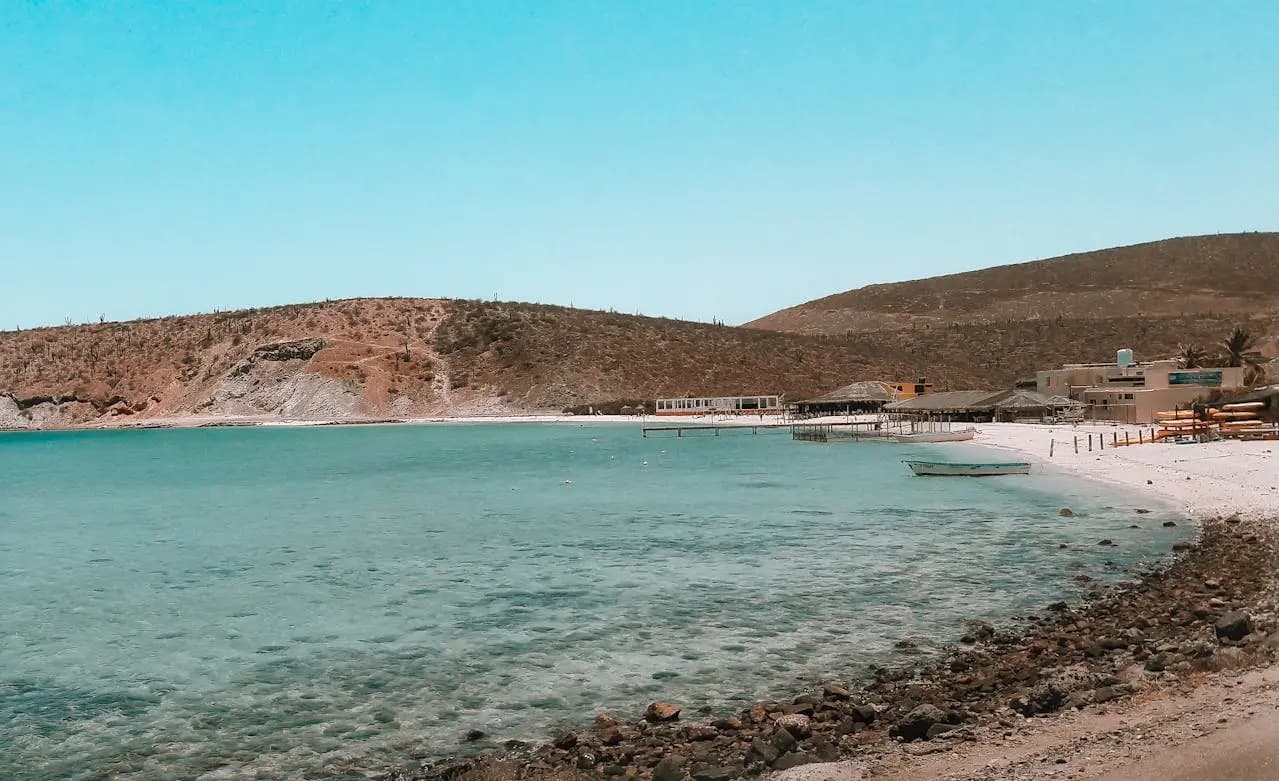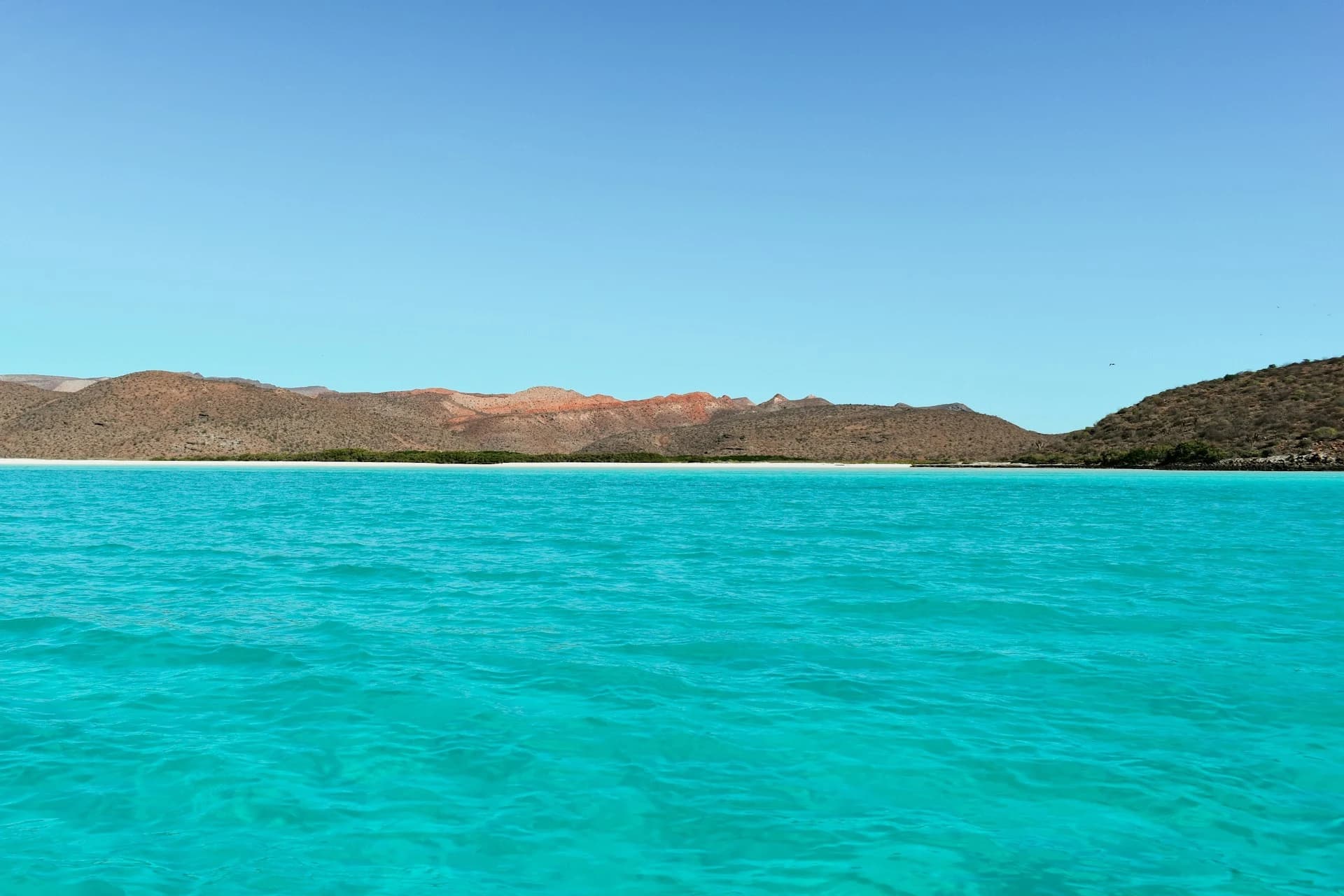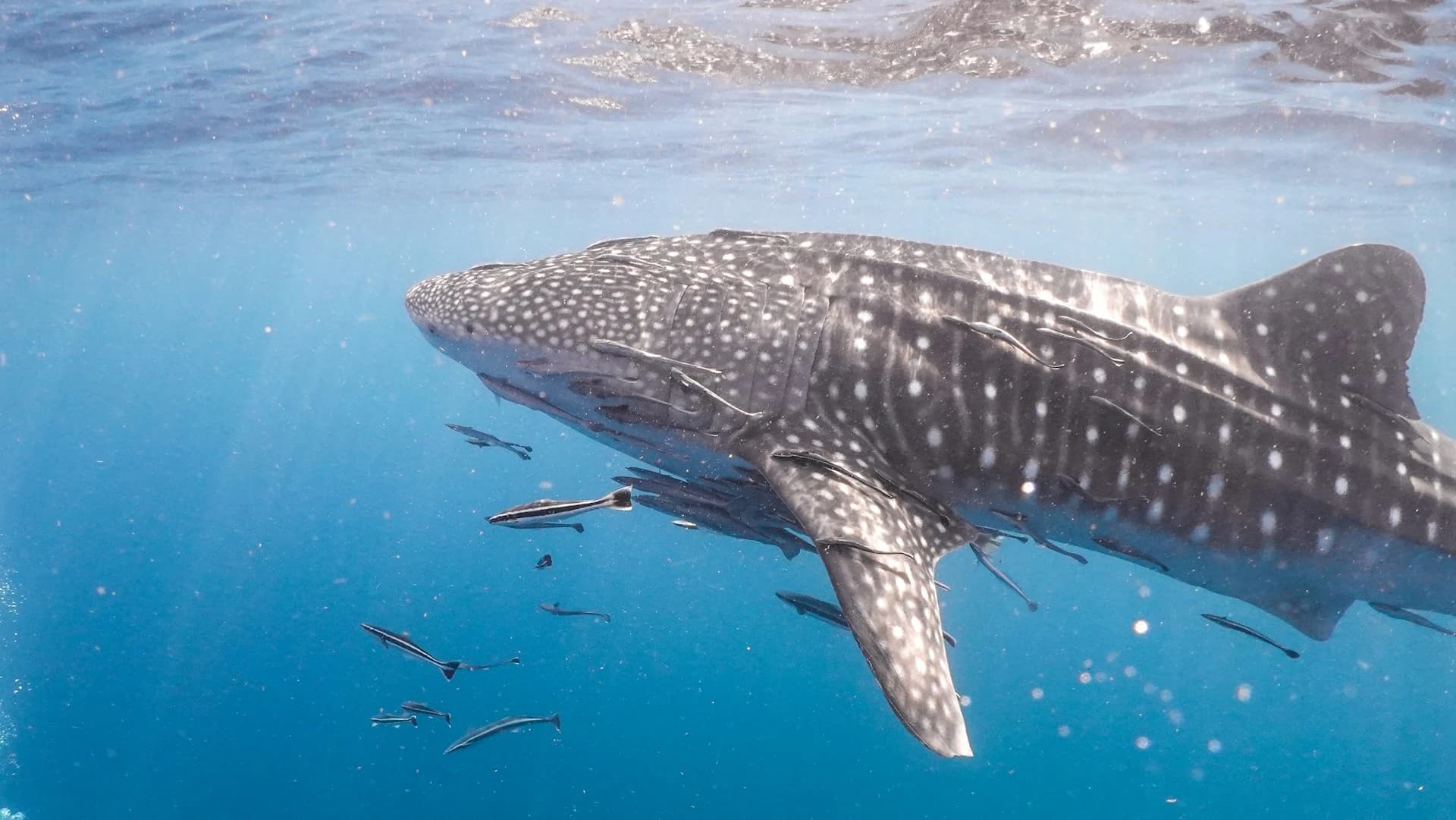
La Paz Bay is one of the world's most reliable places to swim with whale sharks, with encounters almost guaranteed from October through April. Here's what to expect and how to book.
What You Should Know
- Whale shark season in La Paz Bay runs October through April; November through March is peak, when the largest concentrations gather and encounter success rates are highest. Tours do not operate outside this window.
- Most tours run 2–6 hours on the water, with a 10-hour door-to-door commitment if departing from Cabo (5–6 AM pickup, return by 3–4 PM). Local La Paz tours run 2–4 hours and require no travel from Cabo.
- Prices range from $95 USD for a local La Paz departure to $259 USD for a full-day tour with hotel pickup from Cabo; the higher price covers round-trip transport, lunch, and a full-day itinerary rather than a materially longer water encounter.
- Time in the water is split into 2–3 short rotations, not one continuous swim; each turn lasts a few minutes alongside the shark. Active, sustained swimming is required to keep pace, and the water is consistently murky from plankton until you are right alongside the animal.
Swimming with Whale Sharks in La Paz
To swim with whale sharks in La Paz, you board a small panga boat from the waterfront, motor into La Paz Bay, and slip into the water alongside the largest fish on earth; no cage, no dive certification, no prior experience required. La Paz Bay hosts one of the most reliable aggregations of whale sharks (Rhincodon typus) in the world, with sightings confirmed on the vast majority of departures throughout the October–April season.
Unlike snorkeling in Cabo San Lucas, this isn't a reef excursion; it's an open-water encounter with animals that routinely reach 8–12 metres in length. The experience is regulated by Mexico's SEMARNAT authority: groups are capped at small numbers per shark, touching is prohibited, and certified guides manage behaviour and safety from the water. The result is a calm, structured encounter rather than a chaotic rush. Most tours also include a stop at a sea lion colony or a second snorkeling site, making it a full half-day or full-day out on the water.
La Paz sits about three hours north of Cabo San Lucas along MEX-1. Several operators run full-day tours with hotel pickup from the Los Cabos area, so making the trip from Cabo is straightforward even without a rental car.
Best Time to Swim with Whale Sharks in La Paz
The whale shark season in La Paz runs from October through April, with the highest density of animals in the bay between November and March. Water temperatures during peak season sit between 22–26°C (72–79°F); comfortable for snorkeling in a wetsuit, which operators provide.
ℹ️ Whale shark sightings are not guaranteed on any tour; these are wild animals in open water. Operators in La Paz maintain high success rates during peak season, but weather and animal movement can affect outcomes on any given day.
Peak density. La Paz Bay typically holds the largest concentrations of whale sharks, and surface filter-feeding behaviour is most common. Seas are generally calm and visibility is good.
Still excellent. Numbers begin to thin slightly but encounters remain highly reliable. This is the most heavily booked window; reserve well in advance.
Sightings are still possible and departure success rates remain reasonable. A good option for travellers who want fewer crowds and more booking flexibility.
The season is just beginning and whale shark presence is building. Not all operators run at full schedule this early; confirm availability when booking.
Cabo Adventures
After reviewing every operator on this list, this is the one we'd book. Full-day tour from Los Cabos with hotel pickup, wetsuit, fish taco lunch, and a whale shark snorkel encounter; daily seasonal departures and the highest review volume of any operator in this guide.
Book NowBest Whale Shark Tours in La Paz
All licensed whale shark La Paz tours follow the same core format; small-group panga, snorkel encounter, wetsuit and equipment included; but operators vary in group size, additional stops, and whether transport from the Los Cabos area is included. Prices range from $95 USD for a local La Paz departure to $259 USD for a full-day tour with hotel pickup from Cabo. Here's our full breakdown of the options we think are worth considering. Check availability
| Tour Operator | Price | Online Rating | Ages | Capacity | Duration | Days Offered | Transportation Included | Food Included | Extras |
|---|---|---|---|---|---|---|---|---|---|
| Top Rated Cabo Adventures (Tour from Los Cabos) Check availability |
From $259 USD | ⭐ 4.9 (1,127 reviews) Read Reviews |
Min 8 years | Max 30 travelers | ~10 hours | Seasonal (Oct–Apr) | Hotel pickup included | Lunch (fish tacos) + drinks | Wetsuit, full-day tour |
| Top Rated MeXplore Tours (La Paz local) Check availability |
From $188 USD | ⭐ 4.9 (649 reviews) Read Reviews |
Ages 4+ | Max 8 guests | 3 hours | Seasonal | No transportation | Light refreshments | Marine biologist guide, GoPro photos, donation for whale shark conservation |
| Top Rated Alonso Tours (La Paz local) Check availability |
From $129 USD | ⭐ 4.9 (75 reviews) Read Reviews |
All ages | Max 20 travelers | ~2–4 hours | Seasonal (Oct–Apr) | Not included | Snacks + drinks | Snorkel gear, guide, multiple swims |
| Top Rated Tuna Tuna Tours (Whale Sharks + Sea Lions + Balandra) Check availability |
$248 USD | ⭐ 5.0 (112 reviews) Read Reviews |
Ages 3+ | Max 10 travelers | ~6 hours | Seasonal | Not specified | Lunch + snacks + bottled water | Sea lions + whale sharks + Balandra beach |
| La Paz Whale Shark VIP Tours | $249 USD | ⭐ 4.9 (227 reviews) | Min 5 years | Max 6–7 guests | ~3–4 hours | Seasonal | Not specified | Water, sodas + snacks | Photos + videos included, eco-focused small group |
| Alonso Tours | From $95 USD | ⭐ 4.8 (347 reviews) | Not specified | Not specified | ~2–3 hours | October to April | Not specified | Water, fresh fruit, cookies | Licensed operator |
ℹ️ All tours and information were personally reviewed by our team on April 2026. Prices and availability may change — always confirm with the operator before booking.
Most Popular Tours
What to Expect on a La Paz Whale Shark Tour
Most tours follow a similar rhythm regardless of operator. Here's what a typical departure looks like:
- 01Early start
Early start
La Paz local tours typically depart the Malecón between 7:00 and 8:00 AM. If you're joining a tour with hotel pickup from the Los Cabos area, expect a 5:00–5:30 AM pickup; the drive north takes 2.5–3.5 hours and tours run on the water's schedule, not yours.
- 0220–40 min
Out to the aggregation zone and safety briefing
The panga motors to the southern end of La Paz Bay, where whale sharks gather near the surface to feed on plankton. Guides use real-time sighting reports from other boats to locate animals quickly. Before anyone goes in, the guide covers SEMARNAT regulations: stay 2 metres from the shark, no touching, no flash photography, no feeding. Groups enter in small rotations; typically 4–6 people per shark at a time.
- 0315–30 min in water
Three turns in the water, not continuous immersion
The standard format rotates groups in and out; you'll get approximately 3 separate entries, each lasting a few minutes alongside the shark. Total in-water time across all turns is typically 15–30 minutes. The experience is concentrated, not leisurely. Expect to wait on the boat between rotations, sometimes for 30–60 minutes at a stretch. Most people don't realize this wait is normal and not a sign of a poor operator; it's simply how the regulated entry system works.
- 04In the water
Active finning is required, and murky water is normal
Whale sharks move steadily even while surface feeding. Floating and drifting won't keep you alongside them; you need to actively fin throughout your time in the water. Guides will assist swimmers who fall behind, but the more comfortable you are swimming with fins, the more you'll see. In practice, guides position swimmers ahead of the shark's path rather than chasing from behind; following their lead closely is what determines how much of the shark you actually see. Expect low visibility too: the plankton-rich green water that draws the whale sharks there means they appear as dark shadows first, then reveal themselves at short range. This doesn't prevent the encounter; it's just the condition of the environment.
- 05Longer tours
Additional stops on longer tours
The 6-hour and full-day tours typically include a stop at Los Islotes sea lion colony and/or <a href="/guides/la-paz/playa-balandra-tour">Balandra Bay</a> after the whale shark encounter. The 2–4 hour options focus on whale sharks only.
- 06Midday–mid-afternoon
Return by midday to mid-afternoon
Shorter tours are back at the dock by noon. The full-day Cabo departure tours return to Los Cabos hotels around 3:00–4:00 PM; making for a 10–13 hour day from hotel pickup to drop-off.
- 01
Early start
La Paz local tours typically depart the Malecón between 7:00 and 8:00 AM. If you're joining a tour with hotel pickup from the Los Cabos area, expect a 5:00–5:30 AM pickup; the drive north takes 2.5–3.5 hours and tours run on the water's schedule, not yours.
Early start - 20–40 min02
Out to the aggregation zone and safety briefing
The panga motors to the southern end of La Paz Bay, where whale sharks gather near the surface to feed on plankton. Guides use real-time sighting reports from other boats to locate animals quickly. Before anyone goes in, the guide covers SEMARNAT regulations: stay 2 metres from the shark, no touching, no flash photography, no feeding. Groups enter in small rotations; typically 4–6 people per shark at a time.
- 03
Three turns in the water, not continuous immersion
The standard format rotates groups in and out; you'll get approximately 3 separate entries, each lasting a few minutes alongside the shark. Total in-water time across all turns is typically 15–30 minutes. The experience is concentrated, not leisurely. Expect to wait on the boat between rotations, sometimes for 30–60 minutes at a stretch. Most people don't realize this wait is normal and not a sign of a poor operator; it's simply how the regulated entry system works.
15–30 min in water - In the water04
Active finning is required, and murky water is normal
Whale sharks move steadily even while surface feeding. Floating and drifting won't keep you alongside them; you need to actively fin throughout your time in the water. Guides will assist swimmers who fall behind, but the more comfortable you are swimming with fins, the more you'll see. In practice, guides position swimmers ahead of the shark's path rather than chasing from behind; following their lead closely is what determines how much of the shark you actually see. Expect low visibility too: the plankton-rich green water that draws the whale sharks there means they appear as dark shadows first, then reveal themselves at short range. This doesn't prevent the encounter; it's just the condition of the environment.
- 05
Additional stops on longer tours
The 6-hour and full-day tours typically include a stop at Los Islotes sea lion colony and/or <a href="/guides/la-paz/playa-balandra-tour">Balandra Bay</a> after the whale shark encounter. The 2–4 hour options focus on whale sharks only.
Longer tours - Midday–mid-afternoon06
Return by midday to mid-afternoon
Shorter tours are back at the dock by noon. The full-day Cabo departure tours return to Los Cabos hotels around 3:00–4:00 PM; making for a 10–13 hour day from hotel pickup to drop-off.
How Much Does a La Paz Whale Shark Tour Cost?
Prices range significantly depending on whether transport from Cabo is included and how many additional stops are on the itinerary:
Out-of-pocket extras to budget for: tips for your guide (500–800 pesos / ~$25–40 USD is standard), any premium drinks beyond what's included, and the national park entrance fee if not already part of your tour price. Compare prices
The lowest listed price for a licensed La Paz operator. A 2–3 hour tour departing from La Paz. The right call for travellers already staying in La Paz.
A 2–4 hour local tour with snorkel gear, guide, snacks, and multiple whale shark swims included. All ages, groups up to 20.
A 3-hour small-group tour (max 8) led by a marine biologist, with GoPro photos and a donation for whale shark conservation included. 4.9 stars across 649 reviews.
A 6-hour tour covering whale sharks, a sea lion colony, and Balandra Bay. Lunch, snacks, and water included. Small group of max 10; the best multi-stop option for those with a full day in La Paz.
A premium small-group experience (max 6–7 guests) with photos and videos included. The smallest group size on the list; our pick if minimising group size is your priority, as fewer people per shark usually means more time actually alongside it.
The most expensive listing, but it includes round-trip hotel pickup from the Cabo area, a full-day itinerary (~10 hours), lunch (fish tacos and drinks), and a wetsuit. If you're based in Cabo, this removes all the transport logistics from the equation. The main tradeoff is the day length: 10+ hours door-to-door for the same in-water encounter you'd get on a 3-hour local tour, without the flexibility to explore La Paz on your own terms.
See a La Paz Whale Shark Encounter
Get a feel for what swimming with whale sharks in La Paz actually looks like; the scale of the animals, the water conditions, and what the encounter is like from the surface.
Combining Whale Sharks with Other Cabo & Baja Activities
If you're making the trip from Cabo, in our view La Paz is worth more than one morning. And back in Cabo, there are easy activities to pair with your whale shark day:
- Whale watching in Cabo San Lucas: Humpback and grey whales pass through Cabo's waters from January to March; a completely different wildlife encounter on the same trip. The two experiences complement each other well and don't overlap in timing.
- Snorkeling in Cabo: Pelican Rock and the arch at Land's End offer reef snorkeling in calm, sheltered water; a different environment from the open-water encounter in La Paz. A natural follow-up for marine wildlife enthusiasts.
- ATV tours in Cabo: For the afternoon after an early whale shark morning, an ATV ride through the Baja desert gives you a different side of the peninsula without another long drive.
- Isla Espíritu Santo tours (La Paz): The sea lion colony at the northern tip of Espíritu Santo Island is often included in the multi-stop whale shark tours. If your whale shark tour doesn't include it, a full-day Isla Espíritu Santo tour covers Los Islotes sea lions, volcanic reef snorkeling, and a beach lunch from $129 USD.
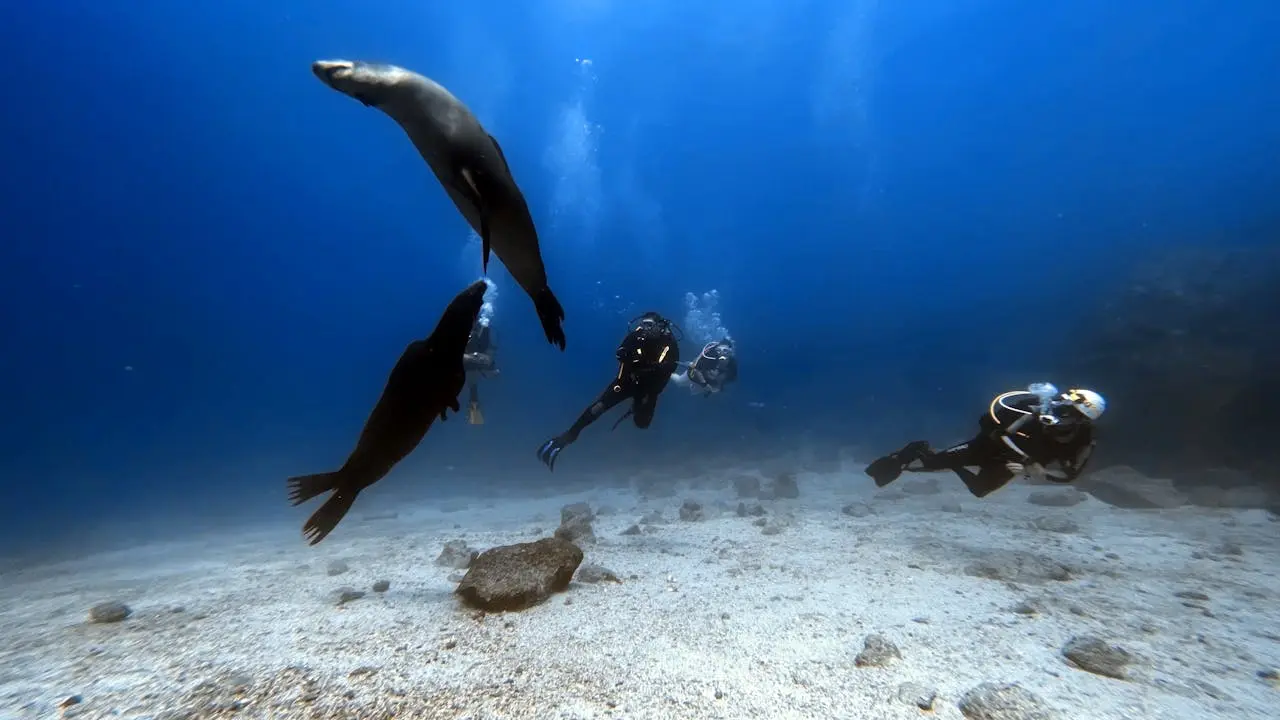
- Scuba diving in La Paz: If you're already in La Paz for the whale sharks, a scuba diving day lets you go deeper — literally. The same sea lion colony at Los Islotes is a completely different encounter underwater, and the shipwrecks and El Bajo seamount are only reachable by tank. Tours start from $223 per person.
- Sandboarding at the Mogote Dunes (La Paz): Whale shark tours finish by early afternoon, leaving the 4:30 PM sunset sandboarding slot open. Best Baja Tours runs 3.5-hour sessions at Las Dunas del Mogote from $61, with boards, wax, water, and hotel pickup included. A natural desert counterpoint to a morning on the water.
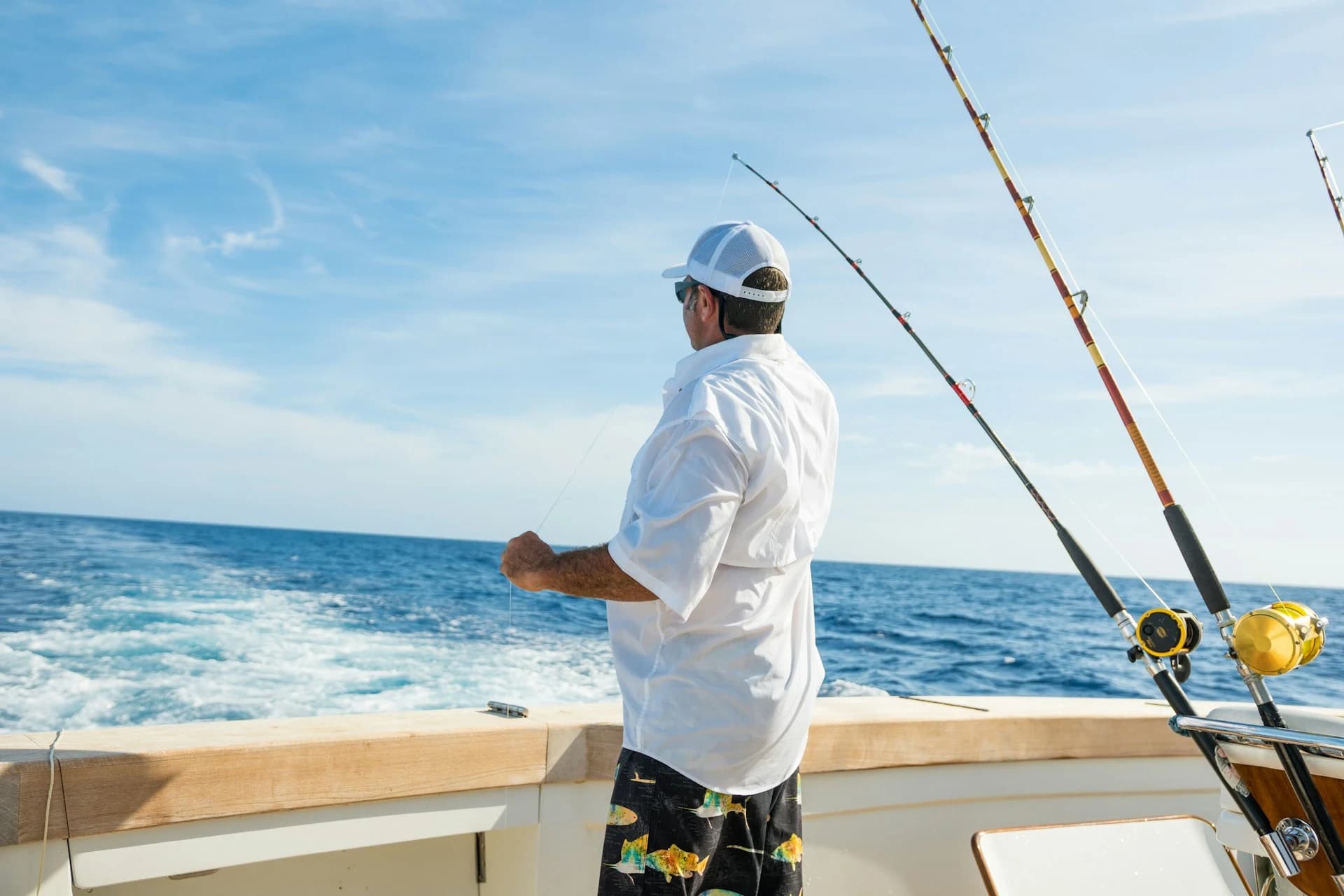
- Fishing charters in La Paz: The Sea of Cortez produces dorado, yellowfin tuna, roosterfish, and marlin depending on season. Full-day charters are priced per boat from $490, making a shared trip between 2–4 anglers one of the most cost-effective ways to spend a second day on the water.
Getting to La Paz from Cabo San Lucas
La Paz is approximately 200 km (125 miles) north of Cabo San Lucas via the Transpeninsular Highway (MEX-1). The drive takes 2.5–3.5 hours. From Cabo, you have three realistic options:
- Book a tour with hotel pickup from Los Cabos. The Viator full-day tour at $259 USD handles pickup and drop-off from the Cabo hotel zone. Expect a 5:00–5:30 AM pickup and a return around 3:00–4:00 PM. Convenient, but a long day.
- Rent a car and drive yourself. MEX-1 is well-maintained and the scenery through the Baja desert is worth the drive. Renting a car lets you stay overnight in La Paz and explore the city; the Malecón, the food scene, and Balandra Bay are all worthwhile.
- Private or shared shuttle. Transfer services run between Los Cabos and La Paz. Book in advance during peak season; availability gets tight.
Los Cabos International Airport (SJD) is the main regional gateway, about 45 minutes from Cabo San Lucas and 3–4 hours from La Paz. If the whale shark experience is your primary reason for visiting Baja, consider flying into La Paz's Manuel Márquez de León International Airport (LAP) directly; it serves connecting flights from Mexico City and other domestic hubs.
From Our Experience
In our experience, the single factor that most changes the quality of the encounter is group size per shark. The regulations cap swimmers per animal, but smaller-group tours keep more space between you and other swimmers, which means quieter entries and more time directly alongside the animal, not just near it.
Tips for Swimming with Whale Sharks in La Paz
- Book well ahead during November–March. Peak season tours; especially the small-group options; fill weeks in advance. Last-minute availability is unreliable from December through February.
- Choose free cancellation. Weather in the bay can change quickly, and operators occasionally cancel if conditions are unsafe. Daily slots are also government-controlled; operators sometimes don't receive confirmation until close to departure. Free cancellation up to 24 hours before protects you without penalty.
- Rent the wetsuit even if conditions seem warm. On local La Paz tours, wetsuits are often rented separately rather than included. What matters more than warmth is buoyancy: wearing a wetsuit means you won't need a lifevest, and lifevests significantly restrict your ability to swim hard and keep pace with the shark.
- Fin actively; don't float. Whale sharks move steadily even while feeding. If you drift, you'll lose them quickly. The more comfortable you are swimming hard with fins, the more time you'll spend alongside the animal. Guides will assist weaker swimmers, but it's worth warming up your kick before your first entry.
- Check fin sizing at the dock, not in the water. Closed-toe rental fins in the wrong size cause real discomfort during active swimming. Ask about fit and open-toe options before you board; sorting this after you've entered the water is much harder.
- Use a red filter on your GoPro. Whale sharks are dark-bodied in the green-tinted, plankton-rich water of La Paz Bay. A red or magenta filter significantly improves footage quality; without it, shots tend to come out flat and blueish.
- Don't touch the sharks. SEMARNAT regulations prohibit it, guides enforce it, and violations can end the encounter for the entire group. The animals are large enough to see clearly at the required 2-metre distance.
- Bring cash for tips. Budget 500–800 pesos (~$25–40 USD) for your guide. Tips are not included in any of the listed prices and are the main income for guides who work seasonally.
- Eat a light breakfast before the boat. The panga crossing can be choppy. A heavy meal and fast boat movement don't mix well; keep it light, and bring seasickness tablets if you're prone.
- Visiting Cabo in October? The La Paz whale shark season typically begins opening around late October, when Cabo's storm season is also easing; our Cabo San Lucas in October guide covers timing a day trip north.
- Visiting Cabo in November? November pairs the whale shark season with Cabo's dry, comfortable weather and shoulder-season value; our Cabo San Lucas in November guide covers pairing a day trip with the rest of your trip.
- Visiting in January? January is peak whale shark season in La Paz Bay; our La Paz in January guide covers the weather, sea temperature, crowds, and how the season compares month to month.
- Visiting in February? February is the single most reliable whale shark month of the season; our La Paz in February guide covers the weather, water temperature, and the best week to book.
- Visiting in March? March is still peak to active and the easiest month to book last-minute, with warmer weather; our La Paz in March guide covers conditions, spring-break crowds, and timing.
- Visiting in April? April is the last call of the season, best caught early in the month before it fades; our La Paz in April guide covers timing, warming water, and warm-water backups.
- Visiting in October? The new whale shark season opens in late October as the sharks return to the bay; our La Paz in October guide covers the season opening and timing.
- Visiting in November? November ramps to a reliable, easy-to-book peak in warm, dry weather; our La Paz in November guide covers the season and value window.
- Visiting in December? December is peak season in dry, mild weather, with calm value early before the Christmas crowds; our La Paz in December guide covers the season and holiday timing.
Frequently Asked Questions
When is the best time to swim with whale sharks in La Paz?+
The peak season is November through March, when La Paz Bay holds the highest concentrations of whale sharks. The full season runs October through April. For the best odds, book November–January; encounter success rates are highest during this window and the bay is generally calm.
Is swimming with whale sharks in La Paz safe?+
Yes. Whale sharks are filter feeders; they eat plankton, not fish or people. All tours operate under SEMARNAT regulations with certified guides in the water. Group sizes per animal are capped, touching is prohibited, and the encounter happens at the surface without a cage. It's a well-managed experience.
Do I need to be a strong swimmer?+
Basic swimming ability is sufficient for most people. Whale sharks in La Paz are surface feeders; the encounter happens at the top of the water column, so you're floating and snorkeling alongside the animals rather than diving down. Fins are provided, which makes keeping pace much easier.
How far is La Paz from Cabo San Lucas?+
La Paz is approximately 200 km (125 miles) north of Cabo San Lucas via MEX-1; a 2.5 to 3.5 hour drive. Some operators offer full-day tours with round-trip hotel pickup from the Cabo area. Expect a ~5:00 AM departure and a return around 3:00–4:00 PM if you're travelling from Cabo.
What is the minimum age for a whale shark tour in La Paz?+
It varies by operator. The Viator full-day Los Cabos tour sets a minimum of 8 years. The combo tour (whale sharks + sea lions + Balandra) accepts ages 3 and up. La Paz Whale Shark VIP Tours requires a minimum of 5 years. The local Viator listing accepts all ages. Check the specific listing if you're booking with young children.
Can I touch the whale sharks?+
No. Mexican federal regulations explicitly prohibit touching whale sharks, and guides enforce this rule in the water. The regulation protects the animals and keeps the experience repeatable. The sharks are large enough to observe in full from the required 2-metre distance; getting closer isn't necessary.
Are whale shark sightings guaranteed?+
No tour can guarantee wild animal sightings. In practice, La Paz operators report high success rates during peak season (November–March). If no whale sharks are encountered, most operators offer a rebooking or partial refund; confirm the specific policy before booking.
Affiliate note: Some links on this page are affiliate links. If you book through them, we may earn a small commission at no additional cost to you.