La Paz in January means peak whale shark season in the bay, dry sunny days, and relaxed winter crowds. Here's the weather, water, prices, and what's worth booking.
What You Should Know
- January is peak whale shark season in La Paz Bay, with juvenile whale sharks feeding close to the surface and very high encounter rates; it is one of the best months of the year to snorkel alongside the largest fish on earth.
- Weather is close to ideal: dry, sunny days with highs around 25°C (78°F), low humidity, and about one rainy day all month, but the Sea of Cortez cools to about 21–22°C (70–72°F), so snorkeling is a wetsuit affair, which operators provide.
- La Paz stays relaxed even in winter. It is a working Mexican city rather than a resort strip, so January brings comfortable crowds and noticeably better value than Cabo San Lucas two hours south.
- Occasional north winds ('El Norte') can chop up the bay and the channel on a handful of January mornings, so booking boat tours with free cancellation and choosing early departures gives you a weather buffer.
La Paz in January: Is It Worth It?
⭐ Best January window: the whole month is peak whale shark season. For the calmest seas and lightest winds, target the first two weeks and book morning departures. You get peak wildlife conditions with quiet, post-holiday crowds.
La Paz in January is one of the most rewarding months to visit Baja California Sur's capital. The desert air is dry and sunny, daytime highs sit in the comfortable low-to-mid 20s Celsius, humidity is low, and La Paz Bay is full of whale sharks. The trade-off is the water: the Sea of Cortez is at its coolest, so snorkeling means a wetsuit, and casual beach swimming is brisk. Unlike Cabo, though, January in La Paz stays calm and affordable, which is a big part of the appeal.
| Factor | January Rating |
|---|---|
| Weather | 10/10: dry, sunny, low humidity; the most comfortable stretch of the year |
| Crowds | 8/10: relaxed winter city; far quieter and easier to book than Cabo |
| Prices | 7/10: mid-range and steady; La Paz hotel rates barely move through the year and sit well below Cabo's winter peak |
| Beaches | 7/10: gorgeous and calm at Balandra, but cool water limits long swims |
| Whale Sharks | 10/10: peak season; juveniles feeding in the bay, very high encounter rates |
| Sea Lions (Espíritu Santo) | 8/10: colony open and active; cool water means a wetsuit |
| Sportfishing | 6/10: slower than summer, but reliable winter targets |
| Nightlife | 6/10: low-key malecón bars and restaurants; mellow next to Cabo |
| Families | 8/10: superb weather and whale sharks for kids; calm Balandra shallows |
| Couples | 9/10: ideal weather, whale sharks, and quiet sunset malecón strolls |
💰 Average January hotel prices (La Paz, 3- and 4-star):
New Year tail (2 to 5 January 2027): ~$140–144/night
Rest of the month (13 to 27 January 2027): ~$140–143/night
Live median rates for the most-reviewed 3- and 4-star hotels in La Paz (14 to 23 of 33 returned a rate each night), two adults, one night, pulled 20 October 2026. Room only, before taxes; rates for dates many months out are often placeholders.
So who is January for? We'd lean toward January for wildlife travellers and couples who care more about whale sharks and weather than about warm-water swimming, and who like the idea of a calmer, cheaper Baja base than Cabo. We'd book January if swimming with whale sharks is the reason you are coming to La Paz at all, because the bay is at its most reliable now. We'd only steer you away from January if your trip is built around long ocean swims or lively resort nightlife, in which case the warmer months or Cabo itself serve you better. Most people don't realize how cool the Sea of Cortez gets in January; the air feels like spring, but the water does not.
Most Popular Tours
Compare and Book La Paz Tours in January
These tours span January's small-group whale shark trips in La Paz Bay, a whale shark and sea lion combo, and the Espíritu Santo sea lion snorkel. Compare live options below, then check dates for our January pick, the small-group whale shark snorkel, directly.
La Paz in January at a Glance
Is January a good time to visit La Paz? In short, yes: it pairs some of the year's most comfortable weather with peak whale shark season, and it stays calm and affordable. Here is the quick snapshot before the detail below.
| La Paz in January | At a Glance |
|---|---|
| Weather | Dry and sunny, highs ~25°C (78°F) |
| Sea temperature | 21–22°C (70–72°F), coolest of the year |
| Rain | Very little (~1 day, 9 mm) |
| Crowds | Low to moderate |
| Prices | Steady (~$140–144/night); well below Cabo |
| Whale sharks | Peak season |
| Overall rating | 9/10 |
La Paz Weather in January
| Metric | January |
|---|---|
| Avg High | 25°C (78°F) |
| Avg Low | 12°C (54°F) |
| Water Temp | 21–22°C (70–72°F) |
| Rain Days | ~1 |
| Rainfall | 9 mm (0.4 in) |
| Humidity | Low |
| Wind | Moderate (occasional north winds, "El Norte") |
| Hurricane Risk | None (season runs mid-May–November) |
Temperatures and rainfall are 1991 to 2020 normals for Mexico's Servicio Meteorológico Nacional station in La Paz city; water temperatures are typical values for the month.
Temperature and Humidity
January is one of the coolest months in La Paz, and that works in your favour. Daytime highs settle around 25°C (78°F) with low humidity, which makes desert and land activities far more comfortable than they are in La Paz's notoriously hot summer. The catch is the overnight and early-morning drop: lows fall to around 12°C (54°F), so a light jacket for early boat departures and evening malecón walks is genuinely useful. The biggest difference between January and summer here is the dryness; the air is crisp rather than heavy.
Rain Pattern
Rain is rare. January sits in the heart of the dry season, averaging about one rainy day and 9 mm (0.4 in) of rain for the entire month. Skies are clear, sunshine is dependable, and you can plan outdoor days without a weather contingency. This is the opposite of the late-summer storm window, when humidity and the occasional tropical system dominate.
Sea Temperature in La Paz in January
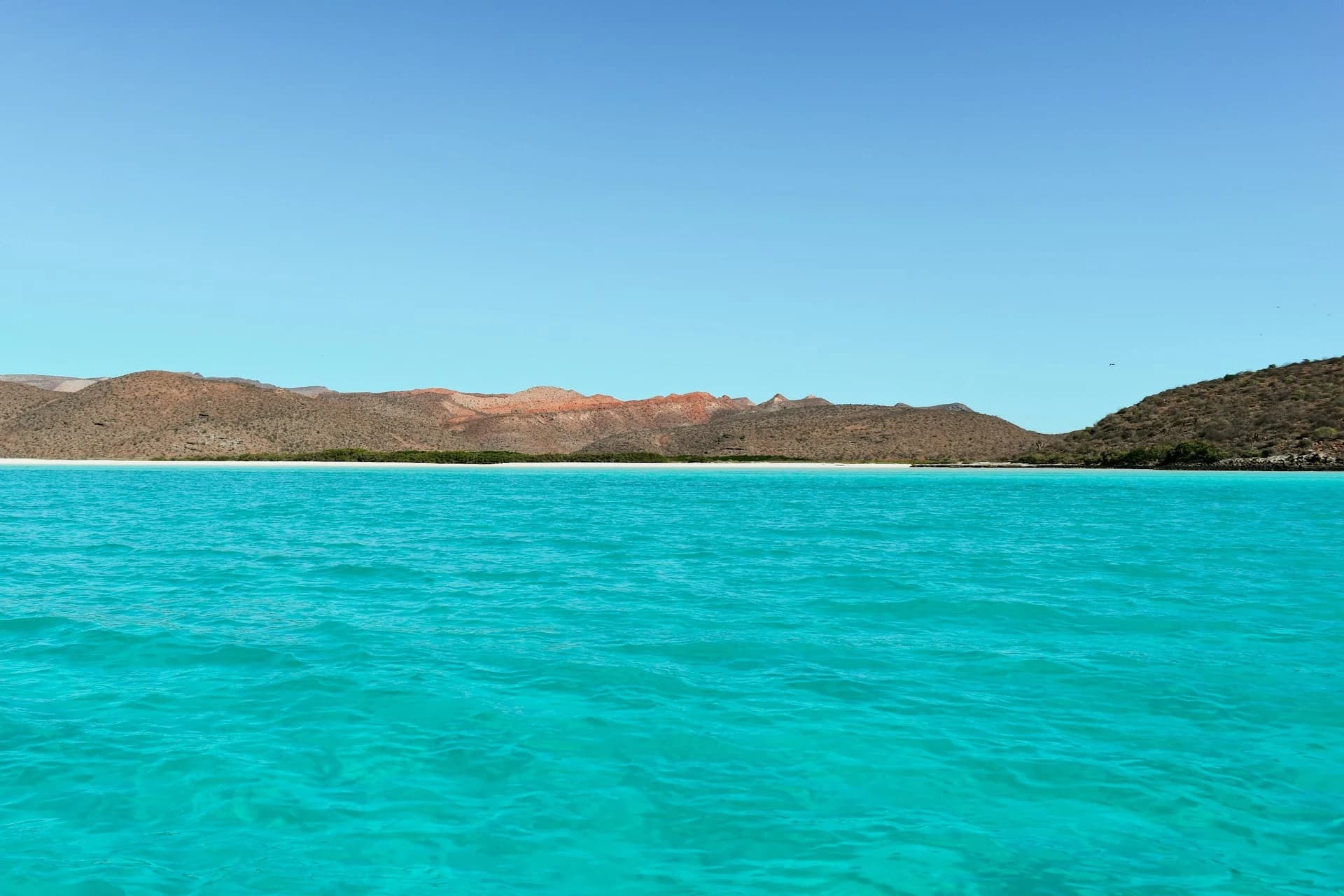
The sea temperature in La Paz in January is around 21–22°C (70–72°F), the coolest of the year. The ocean is where January asks something of you: snorkeling with whale sharks and at Espíritu Santo is best done in a wetsuit, which operators provide, and casual beach swimming is brisk. On top of that, periodic north winds can build through the day, kicking up chop on the bay and the channel out toward the islands. Mornings are reliably calmer than afternoons, which is one more reason every water tour in La Paz runs better early. What typically happens is that the wind builds after midday, so an 8–9 AM departure gives you the smoothest conditions and the best light.
La Paz Weather by Month: How January Compares
January sits at the heart of La Paz's best-weather stretch and is one of the high points of the La Paz winter weather window. Here is how it lines up against the rest of the year across the four factors that most shape a trip.
| Month | Weather | Water Temp | Whale Sharks | Crowds |
|---|---|---|---|---|
| January | Excellent (dry, mild) | Cool | Peak | Low–moderate |
| February | Excellent (dry, mild) | Coolest | Peak | Low–moderate |
| March | Excellent, warming | Cool | Peak | Moderate |
| April | Warm | Warming | Late season | Moderate |
| May | Hot | Pleasant | None | Low |
| June | Very hot | Warm | None | Low |
| July | Very hot, humid | Warm | None | Low–moderate |
| August | Very hot, humid, storm risk | Warm | None | Low |
| September | Very hot, humid, storm risk | Warmest | None | Low |
| October | Hot, easing | Warm | Not yet (opens in November) | Low |
| November | Warm, dry | Pleasant | Season opens (most tours from mid-November or December) | Moderate |
| December | Excellent (dry, mild) | Cooling | Peak | Moderate (late-month holidays) |
Crowds and Prices in January
La Paz is a low-key destination compared to Cabo, so even in high season it never feels overrun. That said, January has its own rhythm, and knowing it helps you book the calmest seas and the best value.
- Week 1 (Jan 1–7): holiday tail. Mexican and international travellers linger from the New Year break, the malecón is at its liveliest, and whale shark tours book up fastest. Conditions are excellent, but this is the busiest week of the month, even though La Paz hotel rates barely rise (~$144 on 2 January in our live sample).
- Weeks 2–4 (Jan 8–31): the sweet spot. Holiday crowds clear out, tours get easier to book, and whale shark activity stays at full strength. You can often book quality tours a few days out rather than weeks ahead. Our take: this is the window to target if your dates are flexible.
Expect mid-range La Paz hotels to run roughly $140–144/night in January (live median for 3- and 4-star hotels), with budget guesthouses below that and a few boutique waterfront properties above. That is well below Cabo's January rates (around $184–198 for 4-star hotels), which is why many travellers base in La Paz for wildlife and day-trip to Cabo rather than the other way around. Flights into Los Cabos (SJD) are at winter-peak pricing, and La Paz is a roughly two-hour drive north, so booking the shuttle or rental car ahead is sensible. Most guests find that the single biggest saving lever in La Paz is simply choosing it over Cabo as a base.
Swimming with Whale Sharks in La Paz in January
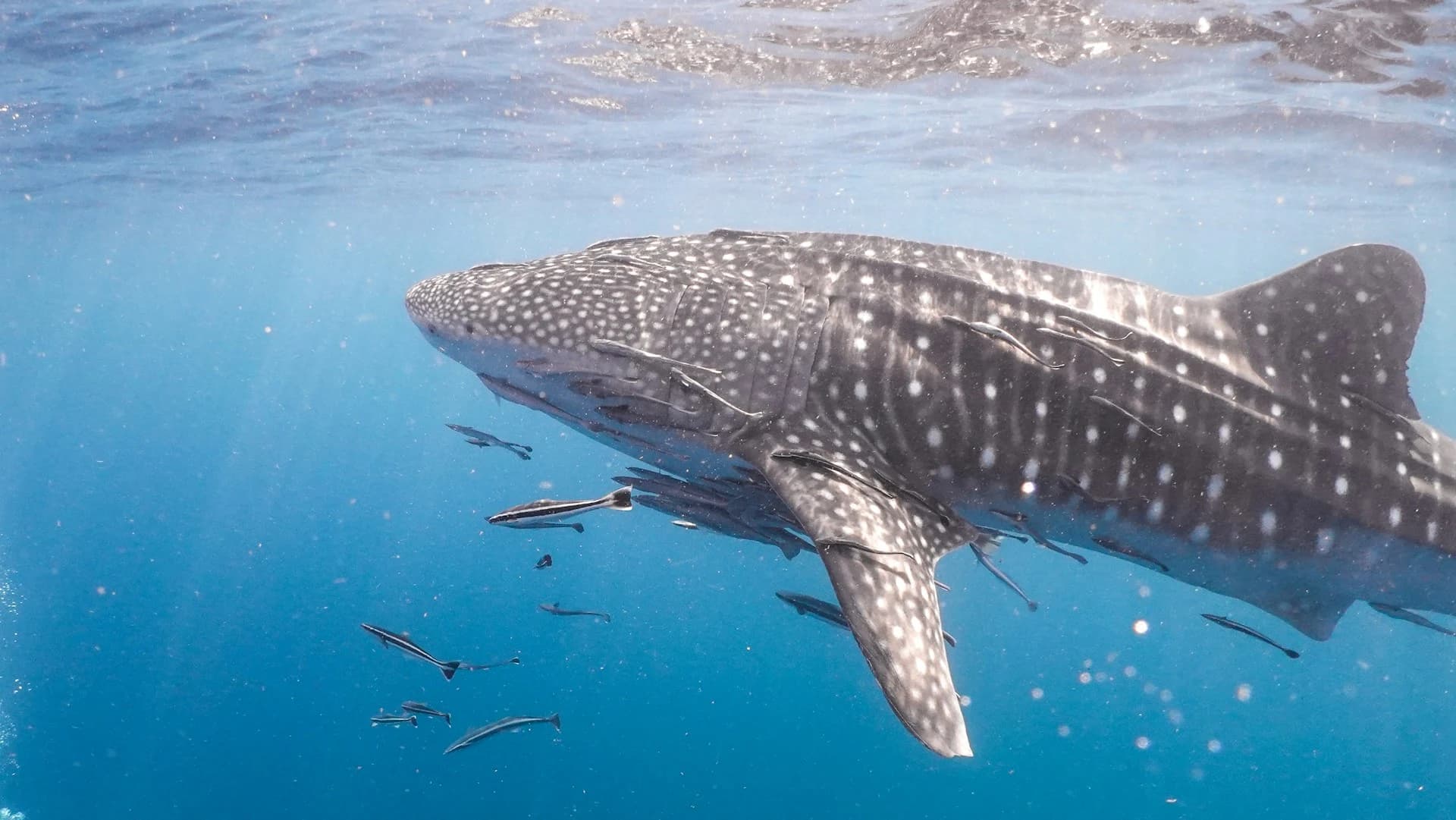
This is the headline. January is peak whale shark season in La Paz Bay, one of the most reliable places on earth to snorkel with these gentle giants. Each winter, juvenile whale sharks (Rhincodon typus) gather in the shallow, plankton-rich bay to feed, and by January they are present in numbers, often cruising slowly just below the surface. Encounter rates on morning tours are extremely high, and most departures put you in the water alongside at least one shark.
What makes La Paz special is the access: no cage, no dive certification, and no prior experience needed. You board a small panga from the waterfront, motor a short way into the bay, and slip in to snorkel beside an animal that can be longer than the boat. The fishery is strictly regulated to protect the sharks, with limited permits, a designated zone, life jackets or wetsuits required, snorkel-only (no scuba), and no touching. In our view, the combination of reliability and easy, regulated access is what makes January in La Paz a genuine bucket-list month.
La Paz Whale Shark Calendar
Whale shark season in La Paz opens in November (most tours from mid-November or December) and runs through April, with the highest density between November and March. Here is the month-by-month arc so you can see exactly where January falls.
| Month | Whale Shark Activity |
|---|---|
| October | Before the season; tours open in November |
| November | Season opens; most tours start from mid-November or December |
| December | Peak; reliable encounters and generally calm seas |
| January | Peak; high density and strong surface feeding |
| February | Peak; often the most reliable month of all |
| March | Peak to active; the easiest peak month to book last-minute |
| April | Late season; thinning out but still possible early in the month |
- Shared panga tour (small group): the standard and best-value option; a few hours in the bay with gear, guide, and usually a wetsuit included. We'd lean toward an early departure for the calmest water.
- Private panga charter: more time, fewer people, and flexibility on timing; worth it for photographers and families who want space and a relaxed pace.
- Combo tours: several operators pair whale sharks with a sea lion snorkel at Espíritu Santo or a stop at Playa Balandra, making a full Baja wildlife day; the cold-water caveat applies, so a wetsuit is worth it.
For the full operator comparison, pricing, and what to expect in the water, see our complete La Paz whale shark guide. We'd book January whale shark tours a few days to a week ahead, and earlier over the first week of the month.
Most Popular Tours
La Paz in January vs December, February & March
January sits in the middle of La Paz's peak winter stretch, so the months on either side are genuinely close. All four deliver dry, sunny days, cool water, and whale sharks in the bay. Here is how January compares to its neighbours if your dates are flexible.
La Paz in January vs December
December opens the peak of whale shark season and shares January's dry, mild weather, with water that is marginally warmer early in the month as the sea is still cooling. The big difference is the calendar: late December brings Christmas and New Year crowds, while January, especially after the first week, gives you the same peak whale sharks with fewer holidaymakers. Hotel rates are not the deciding factor: La Paz prices barely move between the two months (around $122–141/night in December and $140–144 in January in our live sample). We'd lean toward December only if you specifically want the festive-season atmosphere; otherwise January is the smarter winter pick.
La Paz in January vs February
January and February are the two heavyweight months for a La Paz winter trip, and they are genuinely close. Both are dry and sunny with highs in the low-to-mid 20s Celsius and cool mornings, and both sit at around 21–22°C in the water, with late February often the coldest of the year. Both are peak for whale sharks: February is widely regarded as the single most reliable month for encounters, while January brings high density and strong surface feeding. Crowds and prices are similar and quiet by Cabo standards, though early January carries a little of the holiday tail. We'd lean toward February for the most reliable whale shark odds, and late January for the same experience with marginally warmer water.
La Paz in January vs March
March stays peak-to-active for whale sharks and is the easiest peak month to book last-minute, with noticeably warmer air as highs climb toward the high 20s Celsius, though the water stays cool. The trade-off is crowds: March overlaps spring break, so the city and tours get busier than the calm of mid-to-late January. We'd give January the edge for whale shark density and quiet, and March the edge for warmer days and booking flexibility.
So what is the best month for whale sharks in La Paz? January and February are the standout peak months, with February usually the single most reliable, December and March close behind, and the wider season running November through April. If whale sharks are the whole reason for the trip, target mid-January through February.
January Trade-offs: North Winds and Cold Water
Every month in La Paz has a catch, and January's is the ocean. Two things separate a great January day from a frustrating one, and both are manageable once you know about them.
North Winds ("El Norte")
December through February is the window for north winds in the Sea of Cortez. They don't blow every day, but when they do, they build through the afternoon and chop up the bay and the channel out toward Espíritu Santo. The practical effect is rougher panga rides and the occasional weather-related tour cancellation. The fix is straightforward: book morning departures, when winds are lightest, and choose operators with free cancellation up to 24 hours out so a windy forecast costs you nothing. La Paz Bay is relatively protected, so the whale shark zone often stays workable even when the open channel is choppy.
Cold Water
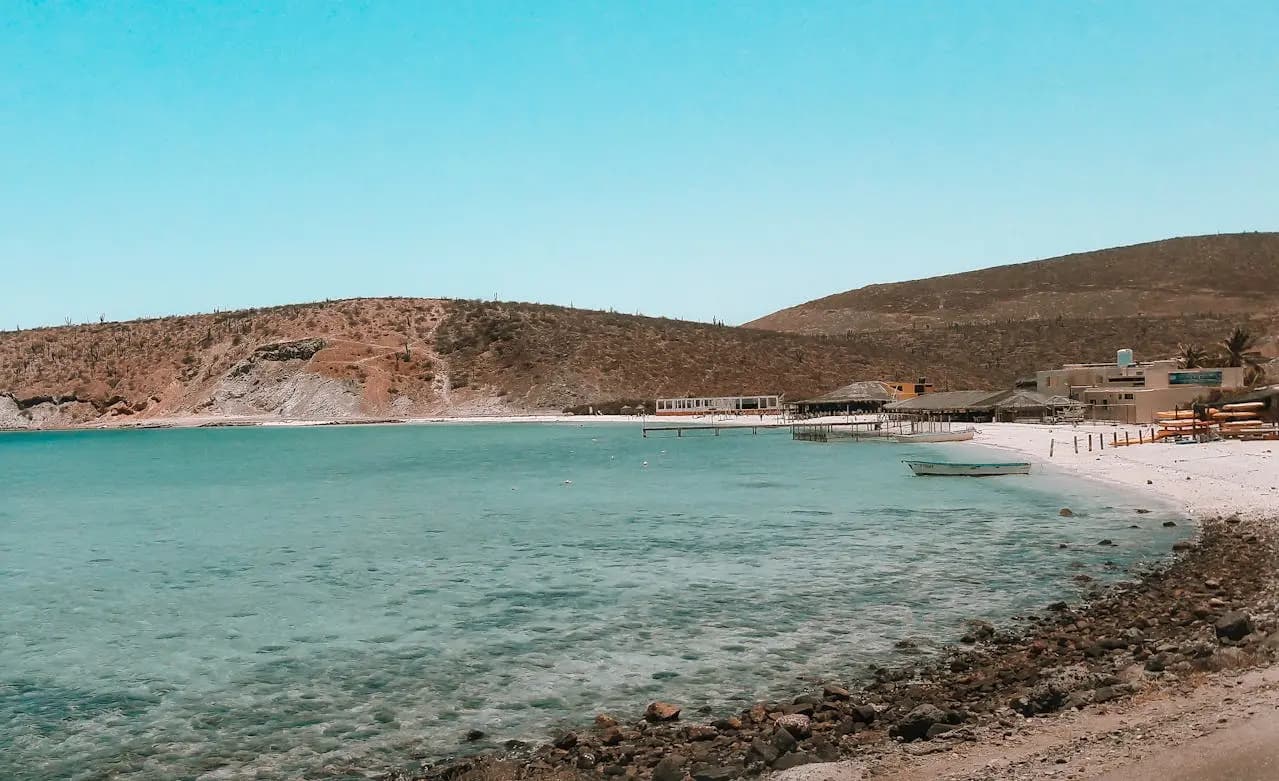
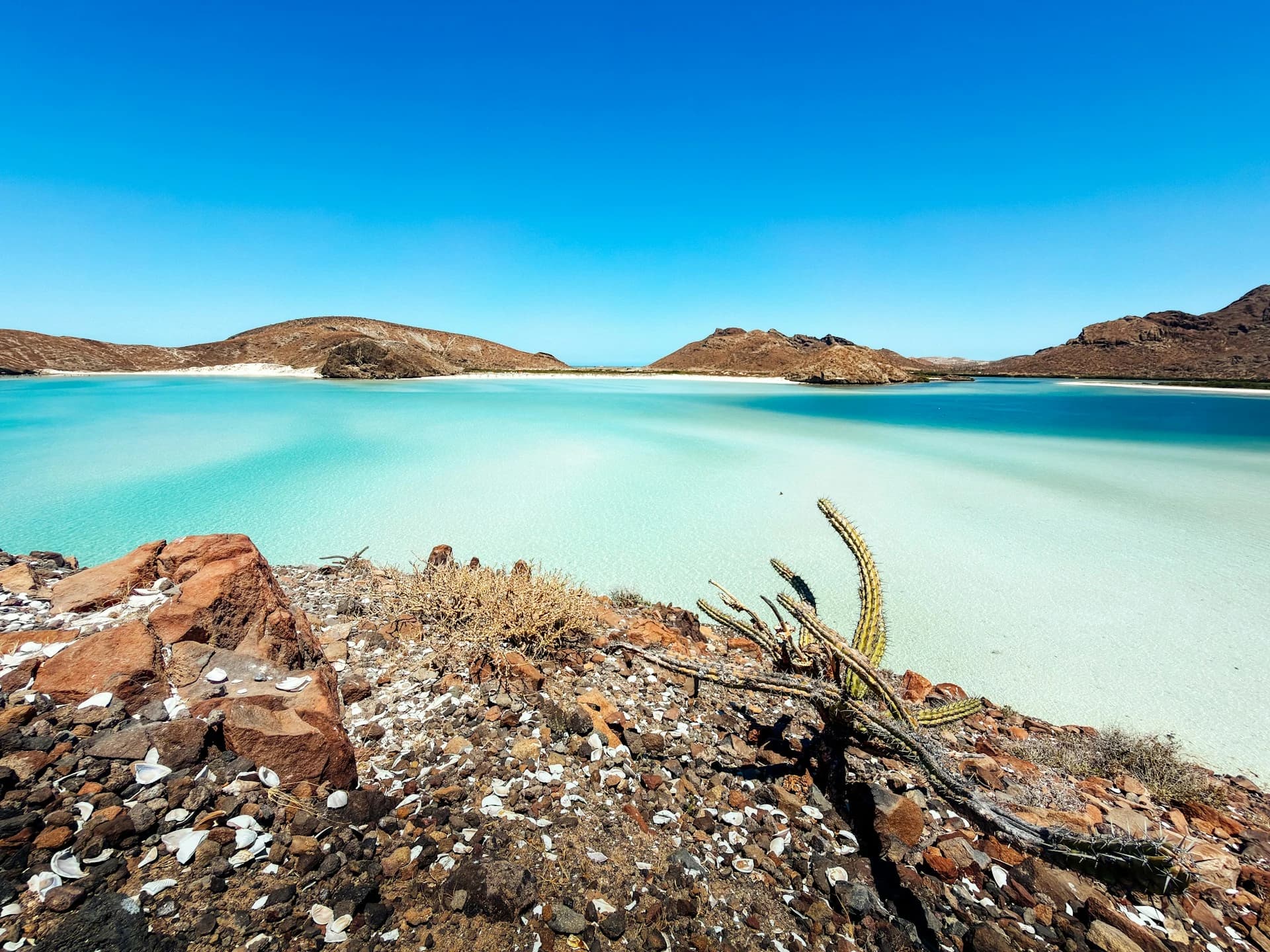
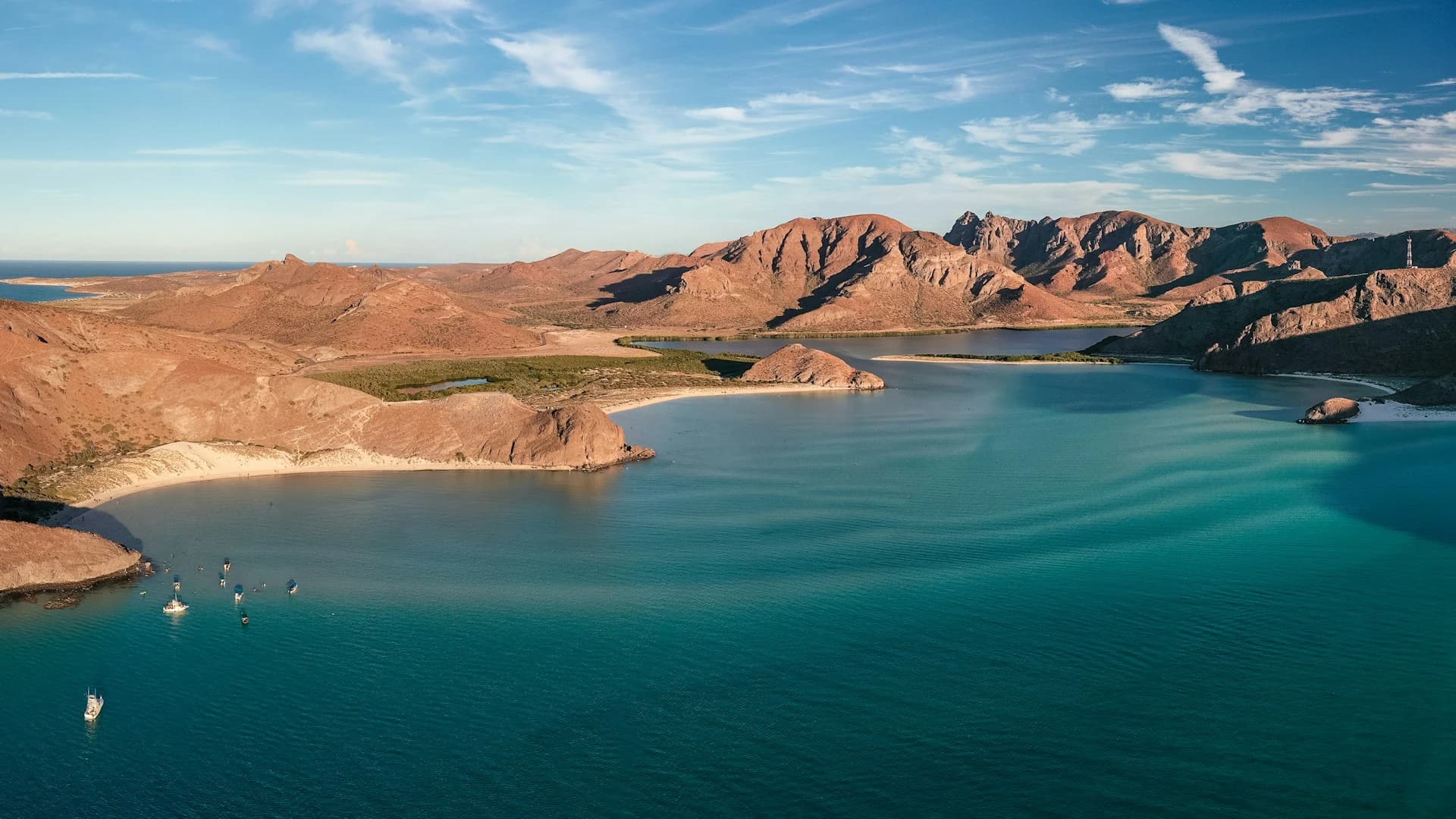
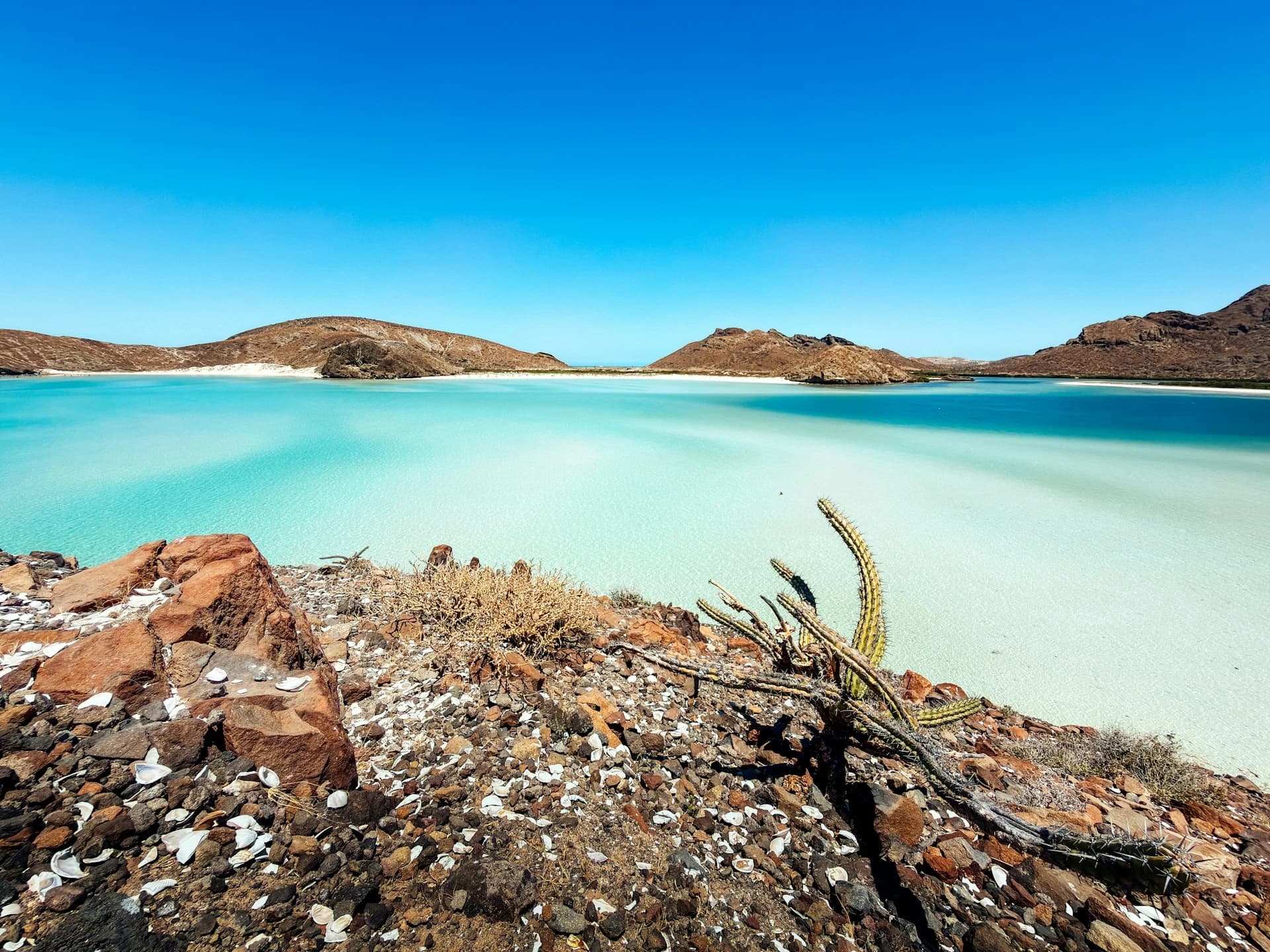
At 21–22°C (70–72°F), January water is the coolest of the year. It is perfectly fine for snorkeling in a wetsuit, which whale shark and island operators provide, but long beach swims are bracing rather than relaxing. Playa Balandra, the calm, shallow, protected bay just north of town, warms up fastest in the midday sun and stays the best bet for getting in the water. If beach swimming is central to your trip, the warmer months suit you better; if whale sharks and weather are the priority, the cool water is a minor price to pay.
Note that none of this is hurricane-related. La Paz's storm season runs mid-May–November, so January carries zero hurricane risk; the winter wind is a comfort issue, not a safety one.
Best Activities in La Paz in January
There is no shortage of things to do in La Paz in January: this is peak whale shark season, the desert and islands are at their most comfortable, and the cool, dry evenings are made for the malecón. Here is how the main activities rate this month.
| Activity | January Rating | Best Time of Day | Notes |
|---|---|---|---|
| Whale shark snorkeling | 10/10 | Morning | Peak season; juveniles feeding in the bay, very high encounter rates |
| Isla Espíritu Santo & sea lions | 8/10 | Morning | Colony open and active in winter; cool water, so a wetsuit is worth it |
| Gray whale day trip (Magdalena Bay) | 8/10 | Full day | Jan–Mar gray whale season on the Pacific side; long drive but unforgettable |
| Sandboarding (El Mogote dunes) | 8/10 | Morning | Cool dry air makes the dunes far more comfortable than in summer |
| Playa Balandra | 7/10 | Midday | Calm, shallow, protected turquoise bay; pleasant in sun despite cool water |
| Scuba diving | 7/10 | Morning | Clear winter visibility; cooler water, so dress for it |
| Malecón & historic center | 9/10 | Evening | Cool, dry evenings are ideal for the waterfront promenade and old town |
| Food tour | 9/10 | Any | Weather-proof; La Paz's food scene is excellent year-round |
| Sportfishing | 6/10 | Morning | Slower than summer; winter species like sierra and the occasional tuna |
| Snorkeling tours | 6/10 | Morning | Good visibility but cold water; a wetsuit makes it enjoyable |
What we'd prioritise in January
If you do one thing, swim with whale sharks; January is the reason to be here. After that, the cool, dry air is tailor-made for land and island days, so we'd give the edge to a trip out to Isla Espíritu Santo for the sea lion colony, and to sandboarding the El Mogote dunes, both far more comfortable now than in summer's heat. A La Paz food tour is the perfect weather-proof evening, and Playa Balandra still shines on a sunny afternoon. Water activities like scuba diving and sportfishing deliver too, just plan around a wetsuit and morning departures. For the complete menu, see our guide to the best things to do in La Paz.
Most Popular Tours
More January Experiences Worth Booking
Beyond the headliners, a few experiences round out a January trip especially well:
- Gray whale day trip to Magdalena Bay: January through March is gray whale season in the Pacific lagoons, a roughly three-hour drive west of La Paz, where mothers and calves approach the boats. It is a long day, but one of Baja's signature winter wildlife experiences.
- Whale shark + sea lion combo: the most efficient way to bag two of Baja's best wildlife encounters in one morning, with the cold-water caveat that a wetsuit is worth it.
- Malecón sunset stroll and seafood: January's clear, dry evenings make La Paz's waterfront promenade at its best; pair it with the city's well-regarded seafood and taco scene.
- Isla Espíritu Santo overnight or kayak camp: for the adventurous, the protected island's beaches and snorkeling sites are quiet and stunning in the cool, settled winter weather.
- Day trip to Todos Santos: the artsy Pacific pueblo mágico is an easy add-on, with galleries, surf beaches, and a relaxed afternoon away from the water. January brings consistent winter surf and humpbacks often visible from shore; see our Todos Santos in January guide.
- Heading down to Cabo San Lucas? Our Cabo San Lucas in January guide covers the southern tip of the peninsula that month: peak whale watching season.
Most Popular Tours
Our Take
The one thing we'd tell every January visitor is to anchor the trip to a morning whale shark tour and build everything else around it; that single decision gets you peak wildlife, the calmest seas, and the best light all at once.
Tips for Visiting La Paz in January
- Book whale shark tours a few days to a week ahead. January is peak season and small-group pangas fill fast, especially over the first week. Lock this in before other plans.
- Choose morning departures for anything on the water. North winds build in the afternoon, so 8–9 AM tours are calmer, clearer, and better for both wildlife and seasickness-prone travellers.
- Plan for a wetsuit. At 21–22°C, snorkeling is much more enjoyable in one. Reputable whale shark and island operators include or rent them; confirm at booking.
- Pack a light jacket and layers. Mornings, evenings, and boat decks are cool in January, with overnight lows near 12°C (54°F). Daytime is warm, so you'll be peeling layers on and off.
- Book boat tours with free cancellation. On the handful of windy January days, free cancellation up to 24 hours out lets you move a tour at no cost rather than ride out rough seas.
- Consider basing in La Paz over Cabo. January rates here run well below Cabo's winter peak, and you are closer to the whale sharks, sea lions, and Balandra. Many travellers day-trip to Cabo rather than the reverse.
- Allow travel time from the airport. Most visitors fly into Los Cabos (SJD), about two hours south; book a shuttle or rental car ahead during winter high season.
- Visiting at a different time of year? February is the other peak whale shark month and often the most reliable: see our La Paz in February guide for how the two compare. The season runs November through April, while the warm summer months trade whale sharks for warm water and sea lion snorkeling. Our complete La Paz whale shark guide has the full season breakdown.
Most Popular Tours
How We Put This Guide Together
The Cabo Tour Guides team built this January guide from long-run climate data for La Paz and the southern Sea of Cortez, whale shark season records for La Paz Bay, and the booking and pricing patterns we track across local operators and hotels through the winter season. Temperatures and rainfall are 1991 to 2020 normals for Mexico's Servicio Meteorológico Nacional station in La Paz city; water temperatures are typical values for the month. Hotel prices are live median rates for the most-reviewed 3- and 4-star hotels in La Paz, pulled 20 October 2026. Prices, ratings, and review counts were updated and verified by our editorial team on October 20, 2026. Ratings reflect what actually shapes a January trip: peak whale shark activity, dry comfortable air, cool water, periodic north winds, and relaxed off-Cabo crowds and prices. We weighed each activity on how its real-world conditions change in January rather than on its year-round reputation. Tour recommendations point to operators with verified booking records and strong review volume, with an emphasis on morning departures and free-cancellation flexibility that matter most during the windy winter mornings.
Frequently Asked Questions
Is La Paz, Mexico good in January?+
Yes. January is one of the best months to visit La Paz. The weather is dry, sunny, and comfortable in the low-to-mid 20s Celsius, and it is peak whale shark season in the bay with very high encounter rates. The trade-offs are cool ocean water around 21–22°C and chilly mornings, but crowds and prices stay relaxed compared to Cabo.
What is the weather like in La Paz in January?+
January is cool and dry. Daytime highs average about 25°C (78°F) with low humidity, lows drop to around 12°C (54°F), and rain is rare, at about one rainy day and 9 mm (0.4 in) for the month. Occasional north winds can pick up in the afternoons, so mornings are the calmest time on the water.
Can you swim with whale sharks in La Paz in January?+
Yes, January is peak whale shark season in La Paz Bay. Juvenile whale sharks gather to feed near the surface, and morning snorkeling tours have very high success rates. No diving certification or experience is needed; you snorkel from a small panga, and the tours are strictly regulated to protect the animals.
Is the water warm enough to swim in La Paz in January?+
The water is cool. In January the Sea of Cortez sits around 21–22°C (70–72°F), the coldest of the year, so snorkeling is best done in a wetsuit, which operators provide. The protected Playa Balandra is the warmest, calmest spot to get in. The air, by contrast, is dry and sunny, so beach time and sunbathing are excellent.
Is La Paz crowded or expensive in January?+
Not by Cabo standards. La Paz is a relaxed working city rather than a resort strip, so January crowds stay manageable and mid-range hotels run roughly $140–144/night (live median for 3- and 4-star hotels), well below Cabo's winter peak. The first week carries a little holiday-tail demand for tours, but hotel rates stay flat all month.
What activities are best in La Paz in January?+
Whale shark snorkeling is the standout. Beyond that, January's cool, dry air is ideal for Isla Espíritu Santo sea lion trips, sandboarding the El Mogote dunes, food tours, and malecón evenings, plus a gray whale day trip to Magdalena Bay in season. Beach and dive days deliver too, best done in a wetsuit on morning departures.
Is there a hurricane risk in La Paz in January?+
No. La Paz's hurricane and storm season runs mid-May through November, peaking in late summer. January carries zero hurricane risk. The only winter weather variable is occasional north winds, which can chop up the bay on some afternoons but are a comfort issue, not a safety one.
What is the sea temperature in La Paz in January?+
The sea temperature in La Paz in January is around 21–22°C (70–72°F), the coolest of the year. It is comfortable for snorkeling in a wetsuit, which whale shark and island operators provide, but cool for long unprotected swims. The sheltered Playa Balandra warms fastest in the midday sun.
Can you swim in La Paz in January?+
Yes, you can swim in La Paz in January, but the water is cool at around 21–22°C (70–72°F), so it suits short dips more than long swims. A wetsuit makes snorkeling comfortable, and the calm, shallow Playa Balandra is the warmest, most sheltered spot to get in the water.
Affiliate note: Some links on this page are affiliate links. If you book through them, we may earn a small commission at no additional cost to you.