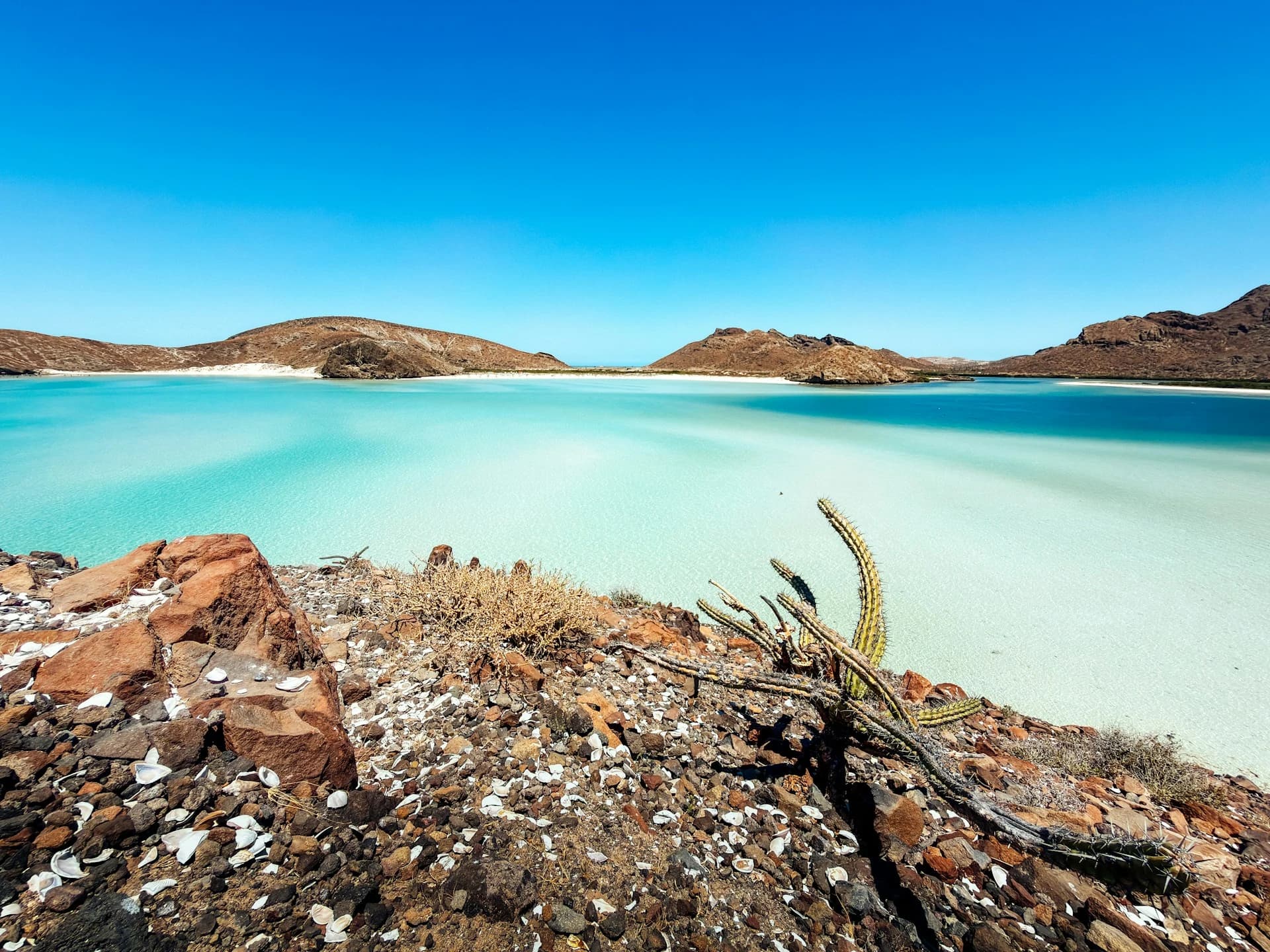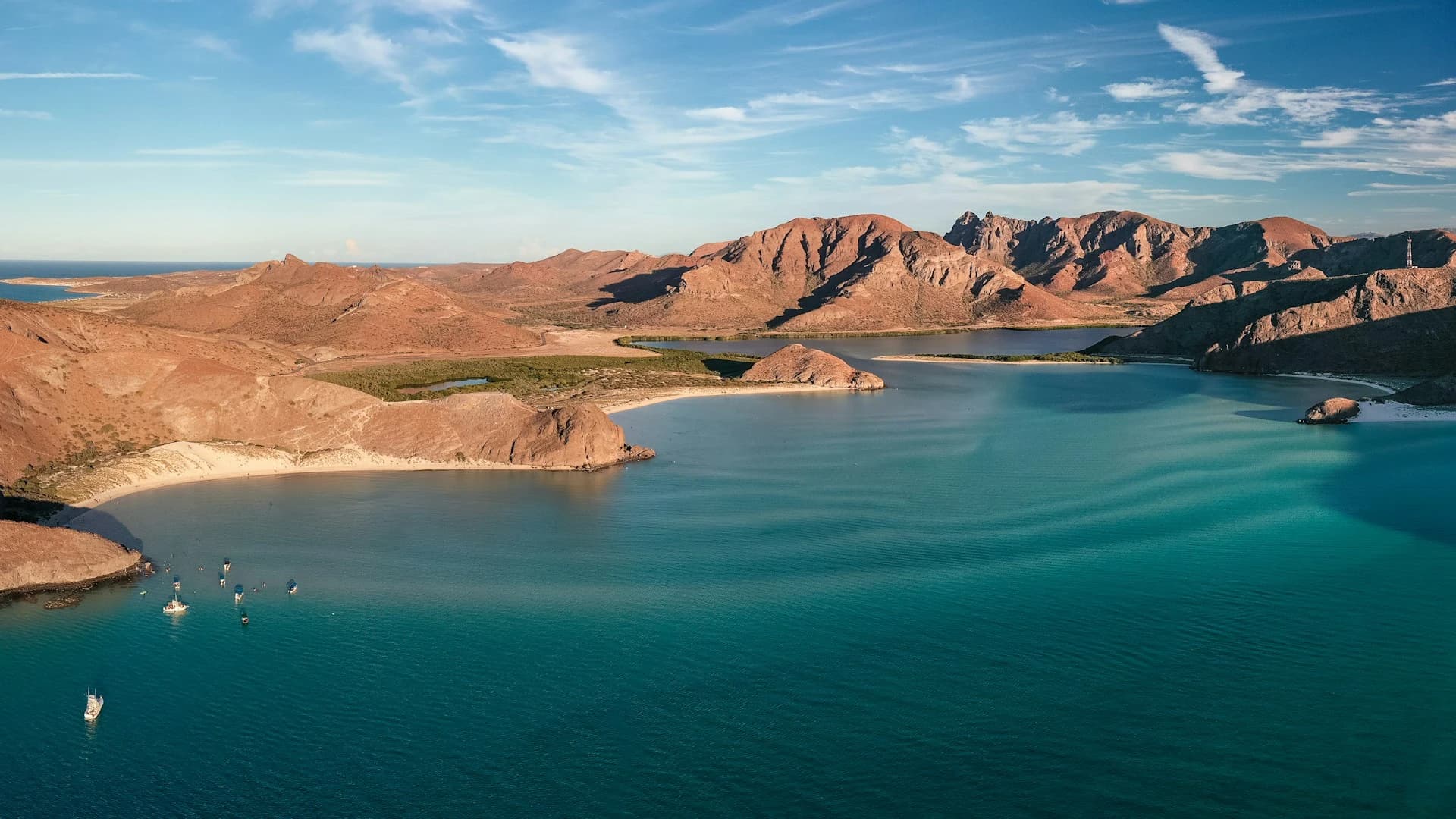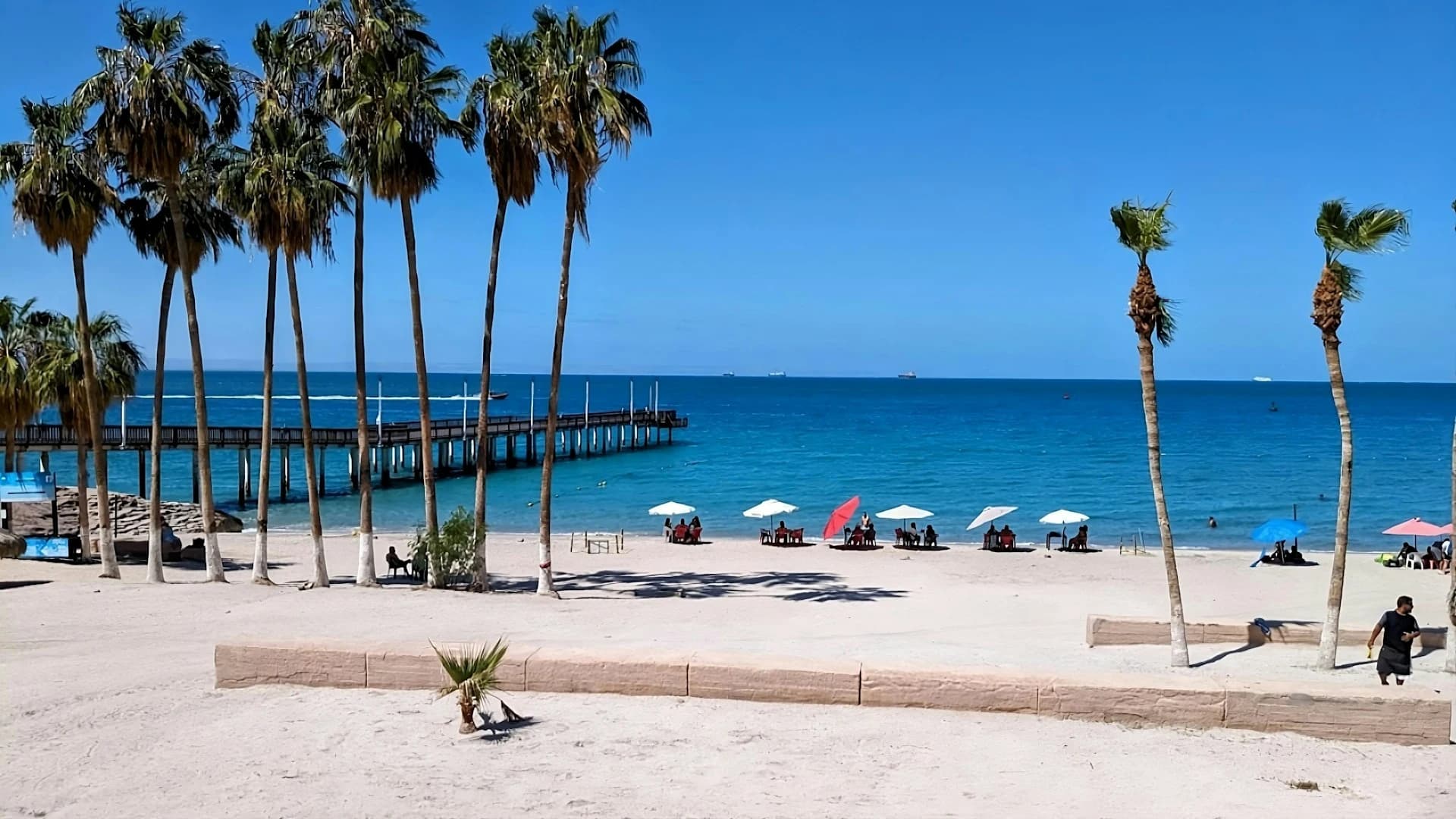
La Paz in September means the warmest water, returning sea lions, and the quietest beaches of the year, at the peak of storm season. Here's the weather, water, prices, and what's worth booking.
What You Should Know
- September is the quietest month in La Paz, at the peak of hurricane season: the wettest, most storm-prone time of year, with whale sharks still out of season (the season opens in November, most tours from mid-November or December).
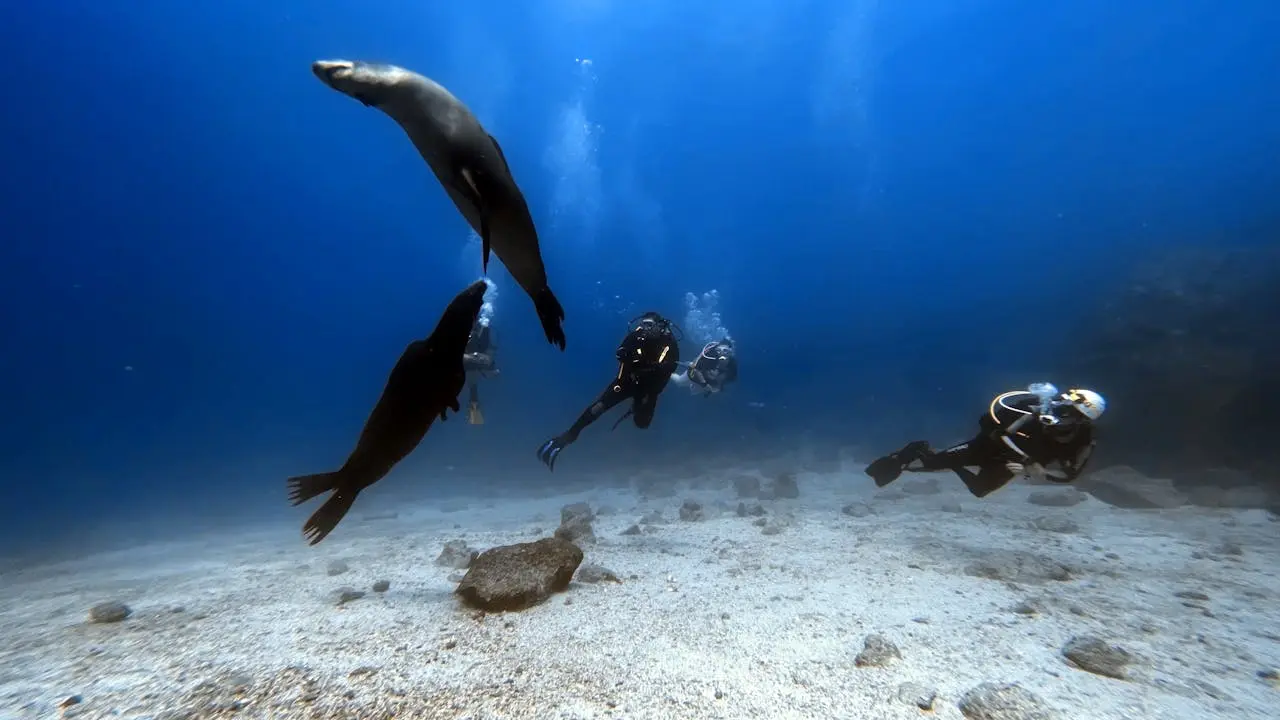
- Sea lion swimming at Espíritu Santo's Los Islotes colony reopens on September 1 after the summer pupping closure (June 1 to August 31), so sea lion snorkeling is back all month, weather permitting.
- The Sea of Cortez is at its warmest, around 30°C (86°F), so on the many fine days between systems, swimming, snorkeling, diving, and fishing are excellent.
- Hurricane and tropical-storm risk is at its yearly peak, so this month rewards flexible, weather-tolerant travellers who book refundable and watch forecasts; the payoff is the emptiest beaches of the year, with hotel rates as steady as ever.
La Paz in September: Is It Worth It?
⭐ Best September window: late September, as the first hint of the season turning appears, on a clear-forecast stretch. The water is at its warmest and the beaches at their emptiest, so September rewards flexible travellers who plan around the weather.
La Paz in September is the bottom of the low season: the warmest water, the emptiest beaches, and the highest storm risk of the year, with hotel rates as steady as the rest of the year. Whale sharks are still a couple of months away (the season opens in November, most tours from mid-November or December), but sea lion swimming at Espíritu Santo's Los Islotes colony reopens on September 1, so the headline wildlife is back. It is hot, humid, and the wettest, most hurricane-prone time of year, so September is for flexible, weather-tolerant travellers, who are rewarded with the place almost to themselves.
| Factor | September Rating |
|---|---|
| Weather | 4/10: hot, humid, and the wettest month; the peak of hurricane season |
| Crowds | 10/10: the quietest month of the year |
| Prices | 8/10: steady hotel rates, below Cabo's; not cheaper than winter |
| Beaches | 6/10: warmest water of the year; storms and humidity limit time |
| Sea Lions (Espíritu Santo) | 6/10: swimming at Los Islotes reopens September 1; storm days limit island trips |
| Mobula Rays | 4/10: season largely over |
| Whale Sharks | 0/10: out of season; the season opens in November (most tours from mid-November or December) |
| Sportfishing | 8/10: still-strong summer fishing between systems |
| Families | 5/10: warm water, but heat, humidity, and storm risk are real caveats |
| Couples | 5/10: quiet and warm, but hot, humid, and stormy |
💰 September 2027 hotel prices (La Paz, 3- and 4-star):
All of September: ~$137–143/night, essentially flat (almost every sampled night ~$143; Wed 8 September ~$137)
Live median rates for the most-reviewed 3- and 4-star hotels in La Paz (14 to 23 of 33 returned a rate each night), two adults, one night, pulled 20 October 2026. Room only, before taxes; rates for dates many months out are often placeholders.
So who is September for? We'd lean toward September for flexible warm-water adventurers who can roll with the weather and want the place to themselves. We'd book late September if you want the returning sea lions with the season just starting to turn. We'd steer you away if you want reliable weather, whale sharks (still a couple of months off), or comfortable temperatures, in which case the dry winter and shoulder months are far better. Most people don't realize September is statistically the wettest, highest-risk month here; it is not the cheapest, though: La Paz hotel rates barely change through the year, and winter nights in our sample run a little lower.
Most Popular Tours
Compare and Book La Paz Tours in September
These tours cover Espíritu Santo as sea lion swimming reopens, plus island diving, Playa Balandra and an ocean safari in the warmest water of the year. Compare live options below, then check dates for our September pick, the Espíritu Santo island snorkel, directly.
La Paz in September at a Glance
Is September a good time to visit La Paz? In short, only for flexible warm-water travellers: the water is at its warmest, the sea lions are back, and the beaches are the emptiest of the year, but it is the hottest-feeling, wettest, most hurricane-prone month, with no whale sharks yet. Here is the quick snapshot before the detail below.
| La Paz in September | At a Glance |
|---|---|
| Weather | Hot, humid, wettest, ~36°C (97°F) |
| Sea temperature | 30°C (86°F), warmest of the year |
| Rain | Wettest month (~5 days; peak storm season) |
| Crowds | Lowest of the year |
| Prices | Steady, ~$137–143/night; below Cabo |
| Wildlife | Sea lion swims reopen September 1; whale sharks off (season opens in November) |
| Overall rating | 5/10 |
La Paz Weather in September
| Metric | September |
|---|---|
| Avg High | 36°C (97°F) |
| Avg Low | 25°C (76°F) |
| Water Temp | 30°C (86°F) |
| Rain Days | ~5 |
| Rainfall | 81 mm (3.2 in) |
| Humidity | High |
| Wind | Light (storm winds possible) |
| Hurricane Risk | High (the peak of the season) |
Temperatures and rainfall are 1991 to 2020 normals for Mexico's Servicio Meteorológico Nacional station in La Paz city; water temperatures are typical values for the month.
Temperature and Humidity
September is hot and humid, the muggiest, most tropical-feeling month of the La Paz year. Daytime highs average about 36°C (97°F), and while that is a touch below the July and August highs of 38°C, the high humidity and frequent cloud build-up make it feel just as heavy. Nights are warm and sticky around 25°C (76°F). The Coromuel breezes are fading by late September as the season slowly begins to turn, but for most of the month the heat and humidity are the defining feature.
Rain Pattern
September is the wettest month of the year, averaging around five rainy days and about 81 mm (3.2 in) of rain, the high point of the summer storm season. Rain typically comes as humid afternoon and evening chubascos and, more than any other month, the outer bands or remnants of tropical systems tracking up the Baja peninsula. Mornings are often clear before the build-up, so early starts matter more than ever.
Sea Temperature in La Paz in September
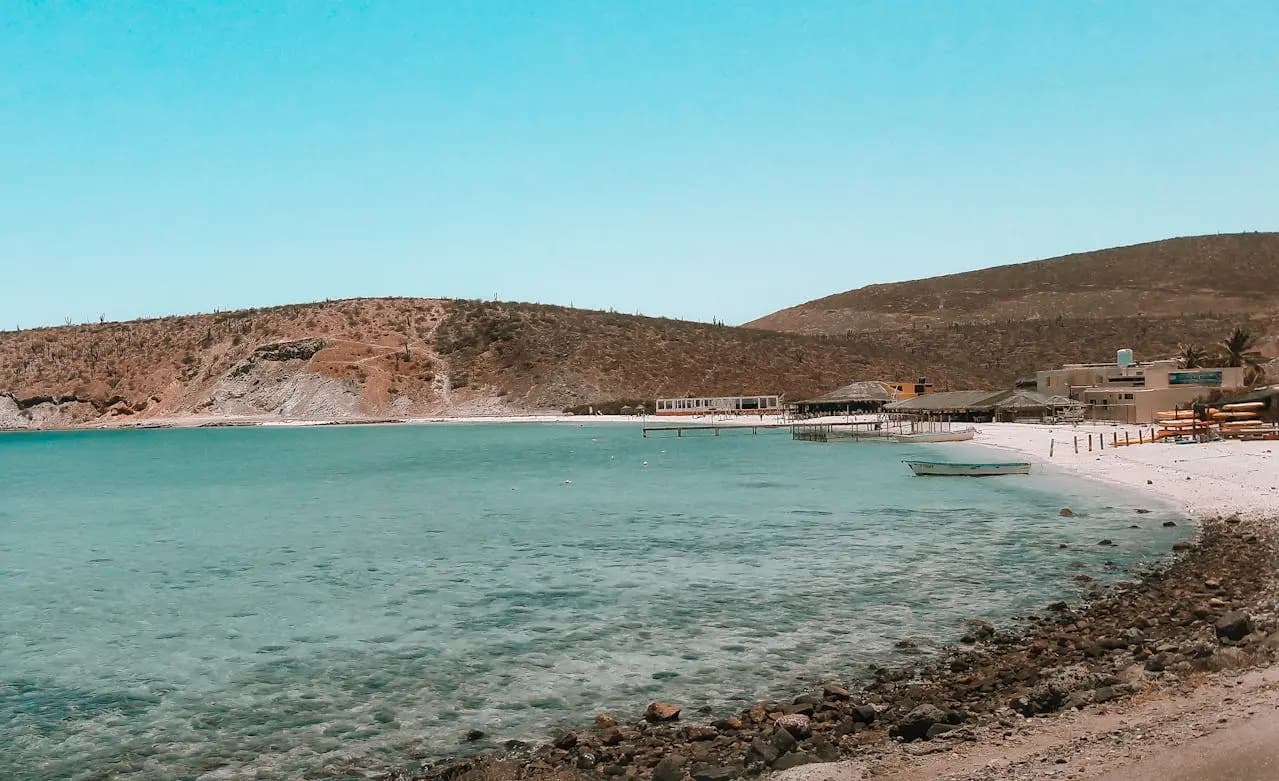
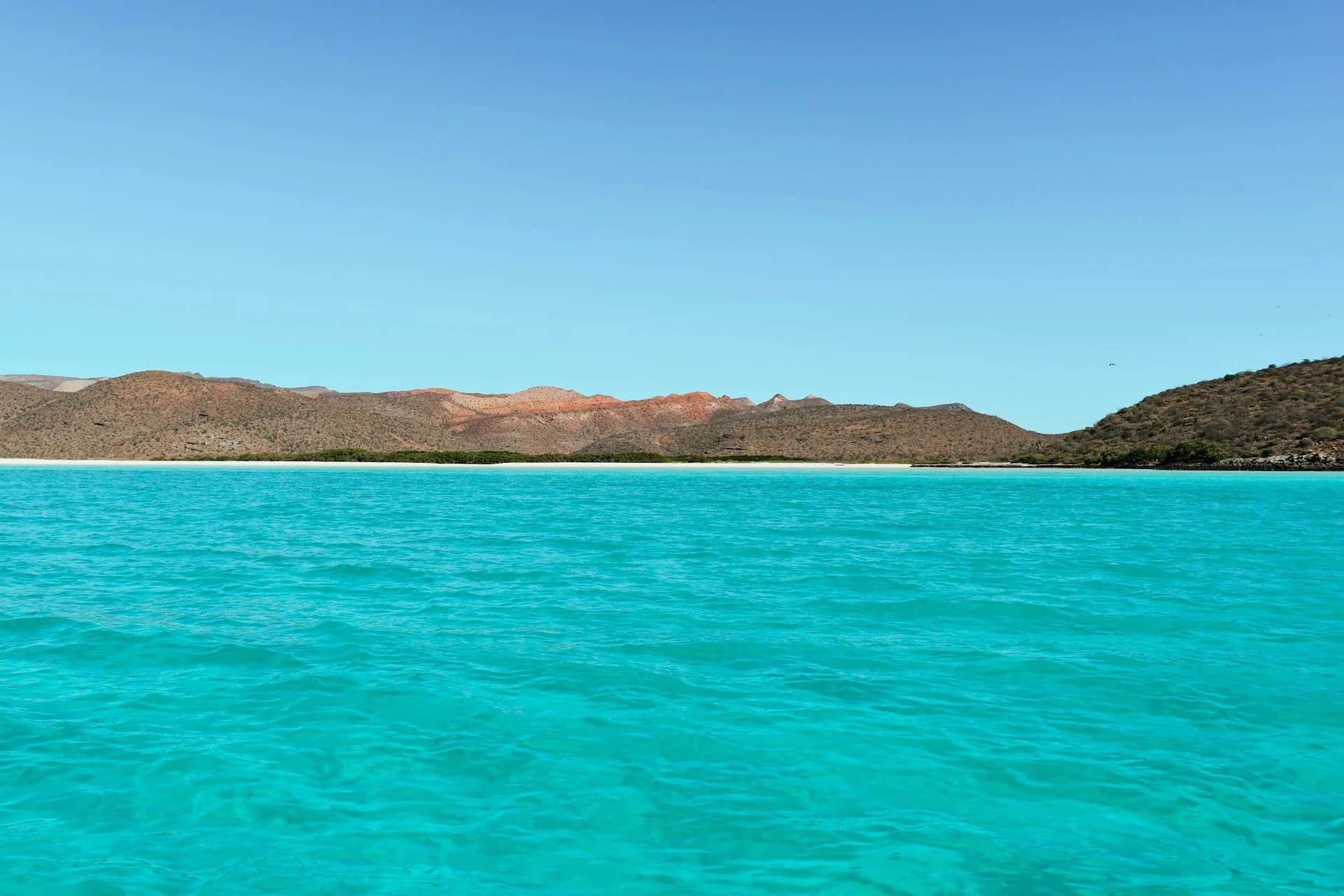
The sea temperature in La Paz in September is around 30°C (86°F), the warmest of the entire year. The water is genuinely bath-like, with no wetsuit needed, and on settled days it is the best reason to be here, perfect for long, easy snorkels and swims. What typically happens is that the warm sea is the refuge from the muggy land heat, so plan water time for clear mornings before storms can build later in the day.
La Paz Weather by Month: How September Compares
September sits at the hot, wet, stormy peak of the La Paz summer, with the warmest water and the emptiest beaches of the year. Here is how it lines up against the rest of the year across the four factors that most shape a trip.
| Month | Weather | Water Temp | Whale Sharks | Crowds |
|---|---|---|---|---|
| January | Excellent (dry, mild) | Cool | Peak | Low–moderate |
| February | Excellent (dry, mild) | Coldest | Peak (most reliable) | Low–moderate |
| March | Excellent, warming | Cool, warming | Peak to active | Moderate (spring break) |
| April | Warm | Warming | Late season | Moderate, easing |
| May | Hot, dry | Pleasant (warm) | None (off-season) | Low |
| June | Very hot | Warm | None (off-season) | Low |
| July | Very hot, humid | Warm (warmest) | None (off-season) | Low–moderate |
| August | Very hot, humid, storm risk | Warmest | None (off-season) | Low |
| September | Very hot, humid, storm risk | Warmest | None (off-season) | Low |
| October | Hot, easing | Warm | None (season opens in November) | Low |
| November | Warm, dry | Pleasant | Season opens (most tours from mid-November) | Moderate |
| December | Excellent (dry, mild) | Cooling | Peak | Moderate (late-month holidays) |
Crowds and Prices in September
September is the quietest month of the year in La Paz. With the Mexican summer holidays over, the heat and humidity at their peak, and storm season at its height, both international and domestic visitor numbers bottom out, though hotel prices hardly move: La Paz rates are steady all year.
- All month: very low crowds and flat hotel rates (~$143/night most nights). Beaches are near-empty, tours run small, and availability is wide open, for those willing to brave the weather.
- Late September: sea lion swimming has been open since September 1 and the first sense of the season turning appears, so late month is the most rewarding window if you want returning wildlife with the crowds still away.
- Throughout: some smaller operators reduce schedules or take maintenance breaks in the deep low season, so confirm departures in advance.
Live rates for the most-reviewed 3- and 4-star La Paz hotels sit at about $137–143/night in September 2027, no lower than winter (~$122–139 from November to March), with budget guesthouses below and boutique waterfront properties above. That is well below Cabo's 4-star median for the same nights (~$187–198, its priciest stretch of the summer). Flights into Los Cabos (SJD) are at low-season fares, and La Paz is about a two-hour drive north, so book the shuttle or rental car ahead. Most guests find September a calculated trade: the warmest water and emptiest beaches of the year against the highest storm risk, best suited to flexible travellers with refundable bookings.
Returning Sea Lions & Warm-Water Snorkeling in La Paz in September
September's marine story is the turn: the sea lions come back. After the summer pupping closure (June 1 to August 31), swimming with the Los Islotes colony at Isla Espíritu Santo reopens on September 1, so sea lion snorkeling returns. It is the first of the headline wildlife to come back, well ahead of the whale sharks, whose season opens in November (most tours from mid-November or December). The water is also at its warmest of the year, so on settled days the snorkeling, diving, and the tail of the summer fishing are excellent.
The catch is the weather: September is the stormiest month, so any island or water day depends on a clear forecast. Some operators are on reduced low-season schedules, so confirm departures. Mobula rays are largely done by now, and whale sharks have not yet arrived, so the returning sea lions and the warm water are the draws, weather permitting.
La Paz Marine Life by Season
La Paz is a year-round wildlife destination, but the headline animal changes through the year. Here is what is on in September and how the calendar runs.
| Encounter | Season | September Status |
|---|---|---|
| Whale sharks | November–April | Off-season (opens in November) |
| Sea lions (Los Islotes) | Swimming Sept–May; prohibited June 1 to August 31 (pupping) | Open from September 1 |
| Mobula rays | Spring into summer | Largely over |
| Dolphins | Year-round | Active |
- Sea lion snorkel (returning): with swimming at Los Islotes open again from September 1, island trips to snorkel with the sea lions resume; pick a clear-forecast day and confirm the departure when you book.
- Warm-water snorkeling and diving: the year's warmest water makes island coves and reefs superb on settled, clear-forecast mornings.
- Sportfishing: the summer bite for dorado, tuna, and marlin is still strong between weather systems.
For island tours and the sea lion colony, see our Isla Espíritu Santo tours guide. The whale shark season opens in November (most tours from mid-November or December); for that season see our La Paz whale shark guide and plan a November-to-April visit.
Most Popular Tours
La Paz in September vs August, October & November
September is the turning point of the La Paz year, so the months around it move from deep summer toward the autumn shoulder. Here is how September compares if your dates are flexible.
La Paz in September vs August
August and September are the twin peak of storm season, both hot, humid, and quiet with the warmest water. September is the wetter and slightly higher-risk of the two, but it has one advantage: sea lion swimming reopens on September 1, so the headline wildlife is back. We'd treat them as close calls on weather, leaning to late September for the returning sea lions.
La Paz in September vs October
October is the clear turn of the season: heat and storm risk ease and the sea lions are fully back, while the water stays warm; whale sharks follow when the season opens in November (most tours from mid-November or December). September has the warmest water but the worst weather, and late October hotel rates in La Paz (~$127–137) come in slightly below September's. We'd favour October for the better conditions, choosing September only for the warmest water and emptiest beaches.
La Paz in September vs November
November is a different trip entirely: warm, dry, comfortable weather, the whale shark season opening (most tours from mid-November), and the sea lions open, and La Paz hotel rates in November (~$128–139) are no higher than September's. September is hot, humid, stormy, and quiet, with no whale sharks. We'd clearly favour November for conditions and wildlife, and September only for the warmest water and an empty city.
So when is hurricane season in La Paz? The storm and hurricane season runs mid-May through November and peaks in August and September, with September typically the wettest and highest-risk month. Direct hits remain uncommon, but September demands flexible plans and a close eye on the forecast.
September Trade-offs: Peak Hurricane Season and Heat
September concentrates the year's weather risk into one month, while offering its warmest water and emptiest beaches in return. Two things shape a September trip, and both demand flexibility.
Peak Hurricane and Storm Season
September is statistically the wettest and most hurricane-prone month in La Paz. Most days are still fine and a direct hit is uncommon, but afternoon storms are frequent and the chance of a passing or remnant tropical system is at its yearly highest. The fix is to plan for disruption: book fully refundable tours and hotels, schedule water activities for clear mornings, keep buffer days, watch the forecast daily, and seriously consider travel insurance. Some smaller operators also run reduced low-season schedules, so confirm departures ahead.
Heat and Humidity (and the Upside)
September is hot and the most humid month, with muggy days and warm nights. The familiar summer rhythm applies: water and active tours in the morning, shade and air-conditioning midday, town in the evening. The upside is substantial: the warmest water of the year, the returning sea lions, and the emptiest beaches. For travellers who can stay flexible, September offers warm-water La Paz almost to yourself, with the wildlife just beginning to return.
If that trade does not appeal, October onward eases quickly: less heat, far lower storm risk, and the sea lions fully back, with the whale shark season opening in November (most tours from mid-November or December).
Best Activities in La Paz in September
There is no shortage of things to do in La Paz in September: the warmest water of the year drives the snorkeling and diving, the summer fishing holds, and the sea lions begin to return, all best planned around clear-forecast mornings. Here is how the main activities rate this month.
| Activity | September Rating | Best Time of Day | Notes |
|---|---|---|---|
| Sportfishing | 8/10 | Early morning | Summer bite still strong between systems; dorado, tuna, and marlin |
| Sea lion snorkel (returning) | 6/10 | Morning | Swimming at Los Islotes reopens September 1; storm days limit island trips |
| Scuba diving | 8/10 | Morning | Warmest water of the year and active reef life; go on settled days |
| Snorkeling tours | 8/10 | Morning | Bath-warm 30°C water; island coves and reefs on clear mornings |
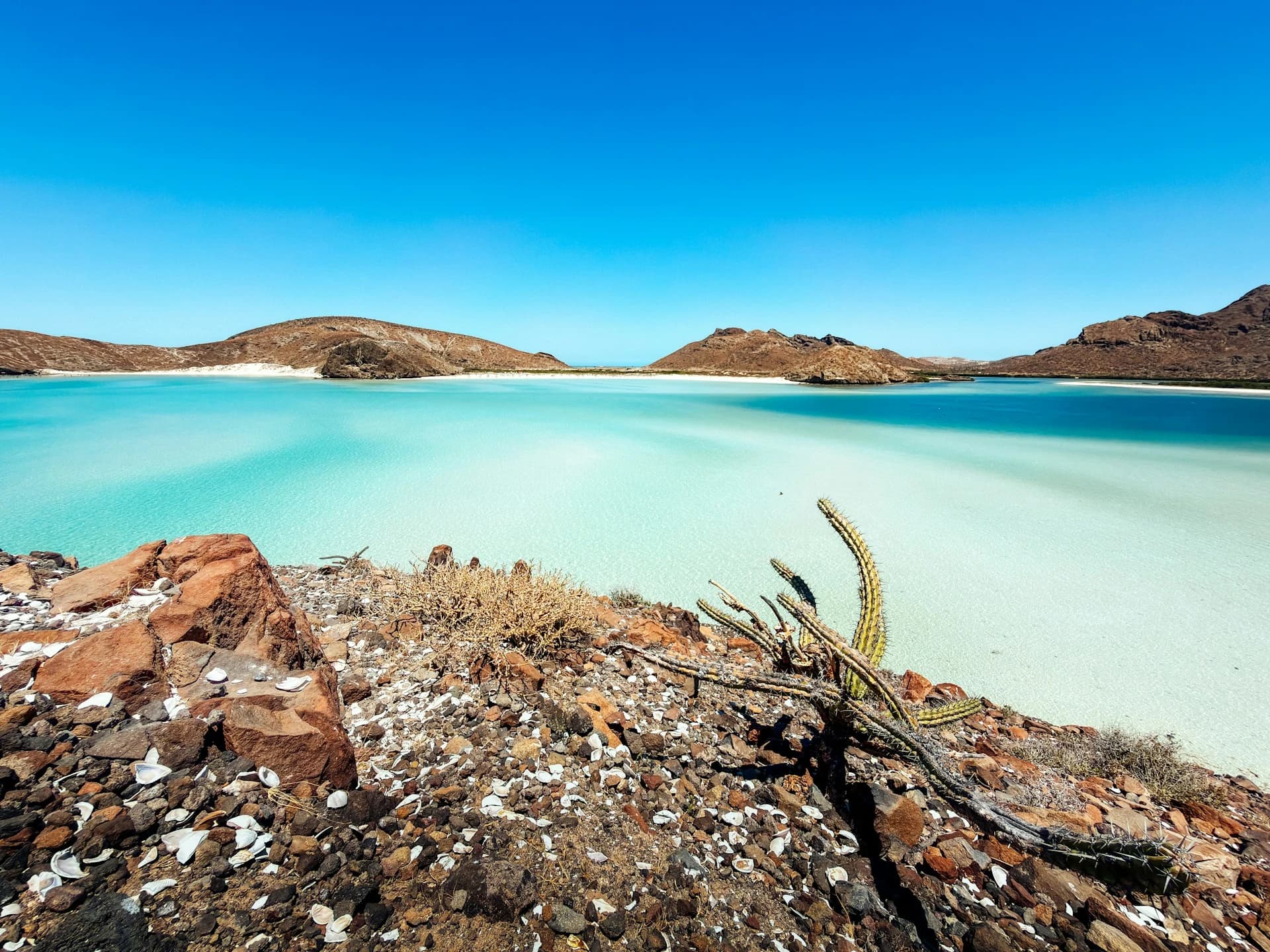
| Playa Balandra | 6/10 | Early morning | Warmest shallows of the year; go early before heat and storms |
| Isla Espíritu Santo day trip | 7/10 | Morning | Beaches, snorkel sites, and sea lion swims at Los Islotes again; pick a clear day |
| Malecón & historic center | 6/10 | Evening | Warm, humid evenings; the coolest time for the waterfront |
| Food tour | 9/10 | Evening | Weather-proof and best after dark; La Paz's food scene shines year-round |
| Whale shark snorkeling | 0/10 | n/a | Out of season; the season opens in November (most tours from mid-November or December) |
What we'd prioritise in September
Watch the forecast and grab the clear mornings: September is for warm-water days between systems. We'd give the edge to scuba diving and snorkeling in the year's warmest water, the returning Isla Espíritu Santo sea lion trips on a clear-forecast day, and sportfishing while the summer bite holds. Keep afternoons flexible for storms, and use the evenings for a La Paz food tour. For the complete menu, see our guide to the best things to do in La Paz.
Most Popular Tours
More September Experiences Worth Booking
Beyond the headliners, a few experiences round out a September trip especially well:
- Late-September sea lion snorkel: with swimming at Los Islotes open again from September 1, an island trip to swim with the returning sea lions is the most rewarding wildlife outing of the month; pick a clear-forecast day.
- Clear-morning scuba day: the warmest water of the year and lively reefs make a settled September morning excellent, and uncrowded, for diving.
- Sunrise fishing charter: the summer bite holds between systems, and an early start beats both the heat and the afternoon storms.
- Evening food and malecón crawl: with midday hot and stormy, the evenings are the time for the waterfront, dinner, and a guided food tour.
- Day trip to Todos Santos: the breezy Pacific pueblo mágico is cooler and less humid than La Paz on a muggy September day, with galleries, surf beaches, and a relaxed afternoon. Many of its businesses close for their annual break this month, so see our Todos Santos in September guide before you go.
- Heading down to Cabo San Lucas? Our Cabo San Lucas in September guide covers the southern tip of the peninsula that month: quiet low season, the warmest sea, and peak storm season.
Most Popular Tours
Our Take
The one thing we'd tell every September visitor is to treat it as a calculated gamble: it is the quietest month with the warmest water and the sea lions returning, but also the stormiest, so book everything refundable, keep buffer days, and grab the clear mornings when they come.
Tips for Visiting La Paz in September
- Book everything refundable. September is the peak of storm season, so favour fully refundable tours and hotels and keep your plans flexible around the forecast.
- Grab the clear mornings. Storms build through the day, so schedule fishing, diving, and snorkeling early and watch the daily forecast closely.
- Sea lions are back from September 1. Swimming at Los Islotes reopens after the June 1 to August 31 pupping closure; book a clear-forecast day and keep a spare day in case storms cancel the trip.
- Plan for heat, humidity, and a cool base. A hotel with a pool and strong air-conditioning matters most in the muggiest month; hydrate and protect against the sun.
- Confirm operator schedules. Some smaller operators run reduced schedules or take breaks in the deep low season, so check departures in advance.
- Don't expect a bargain, and consider insurance. La Paz hotel rates barely move through the year (~$137–143/night in September 2027 in our live sample, a little above winter), and with hurricane risk at its peak, cover for delays and cancellations is worth it.
- Skip whale sharks this month. The season opens in November (most tours from mid-November or December); if they are the goal, plan a November-to-April trip instead.
- Visiting at a different time of year? October turns the corner fast, with easing weather and the sea lions fully back, ahead of the whale shark season opening in November: see our La Paz in October guide and our La Paz whale shark guide.
How We Put This Guide Together
The Cabo Tour Guides team built this September guide from long-run climate data for La Paz and the southern Sea of Cortez (temperatures and rainfall are 1991 to 2020 normals for Mexico's Servicio Meteorológico Nacional station in La Paz city; water temperatures are typical values for the month), hurricane-season records, the seasonal calendars for the Espíritu Santo sea lion reopening and summer fishing, and live hotel rates for the most-reviewed 3- and 4-star La Paz hotels pulled 20 October 2026. Prices, ratings, and review counts were updated and verified by our editorial team on October 20, 2026. Ratings reflect what actually shapes a September trip: peak heat, humidity, and storm risk, the year's warmest water, the returning sea lion colony, off-season whale sharks, steady hotel rates, and the quietest crowds of the year. We weighed each activity on how its real-world conditions change in September rather than on its year-round reputation. Tour recommendations point to operators with verified booking records and strong review volume, with an emphasis on early-morning departures, free-cancellation flexibility, and the warm-water diving, fishing, and returning sea lion season that defines September between weather systems.
Frequently Asked Questions
Is La Paz, Mexico good in September?+
Only for flexible warm-water travellers. September has the year's warmest water at 30°C, returning sea lions, and the emptiest beaches of the year, but it is the hottest-feeling, wettest, most hurricane-prone month, with no whale sharks yet (the season opens in November, most tours from mid-November or December). It rewards travellers who book refundable and plan around the weather.
What is the weather like in La Paz in September?+
September is hot, humid, and the wettest month. Daytime highs average about 36°C (97°F) with high humidity and frequent cloud build-up, and warm muggy lows around 25°C (76°F). It averages around five rainy days and about 81 mm (3.2 in) of rain, usually humid afternoon storms, and it is the peak of hurricane season.
Can you see whale sharks in La Paz in September?+
Not yet. The La Paz whale shark season opens in November (most tours from mid-November or December) and runs through April, so September is a couple of months too early. The marine highlight in September is the returning sea lion colony, along with warm-water snorkeling and diving; for whale sharks, plan a November-to-April trip.
Can you snorkel with sea lions in La Paz in September?+
Yes. Swimming with the sea lions at Los Islotes, Isla Espíritu Santo, is prohibited June 1 through August 31 under CONANP rules and reopens on September 1, so sea lion snorkeling is back all month. Storms are the main risk to a September island day, so book a clear-forecast day and keep a spare day in your plans.
What is the sea temperature in La Paz in September?+
The sea temperature in La Paz in September is around 30°C (86°F), the warmest of the entire year. The water is bath-like and needs no wetsuit, making it ideal for long snorkels and easy swims on the settled days between storms.
Can you swim in La Paz in September?+
Yes, the water is at its warmest and most inviting all year. At around 30°C (86°F) the Sea of Cortez is bath-warm and, on calm days, perfect for swimming and snorkeling. Go in the morning and watch the storm forecast, as afternoons are the most likely time for rain.
Is there a hurricane risk in La Paz in September?+
Yes, September is typically the wettest and highest-risk month of La Paz's hurricane season, alongside August. Most days are fine and direct hits are uncommon, but afternoon storms are frequent and passing tropical systems are most likely now. Book refundable tours and hotels, keep buffer days, watch the forecast, and consider travel insurance.
Is La Paz cheap in September?+
Not especially. La Paz hotel rates are steady all year: in our live sample the most-reviewed 3- and 4-star hotels run about $137–143/night in September 2027, slightly above winter (~$122–139). That is well below Cabo's 4-star median for the same nights (~$187–198), and flights into Los Cabos are at low-season fares. September's real payoff is the warmest water, the returning sea lions and the emptiest beaches, not a discount.
What activities are best in La Paz in September?+
Warm-water activities on clear mornings lead: scuba diving and snorkeling in the year's warmest water, sportfishing while the summer bite holds, and the returning sea lion snorkel on a clear-forecast day. Evenings are for the malecón and food tours. Whale sharks are not yet in season, and afternoons are best kept flexible for storms.
Affiliate note: Some links on this page are affiliate links. If you book through them, we may earn a small commission at no additional cost to you.