La Paz in March means still-peak whale sharks, warm sunny days, and a spring-break crowd bump. Here's the weather, water, prices, and what's worth booking.
What You Should Know
- March keeps La Paz in peak whale shark territory and is the easiest peak month to book last-minute, with sharks still feeding reliably in the bay as the season heads toward its April close.
- Weather warms into one of the most comfortable ranges of the year: dry, sunny days around 26°C (79°F), low humidity, and effectively no rain, while the sea warms slightly to about 21–22°C (70–72°F) but still wants a wetsuit.
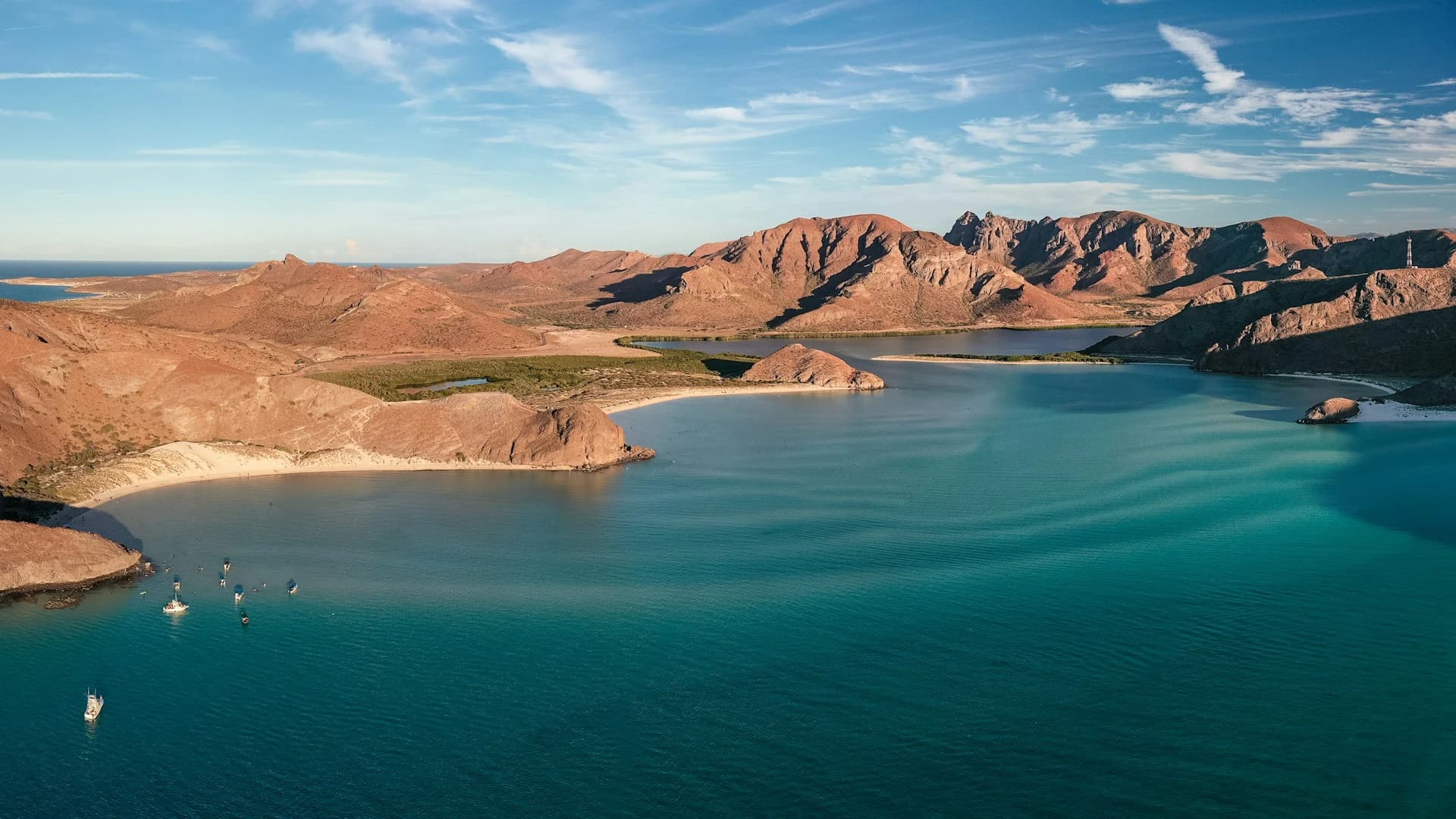
- Crowds rise in March. US spring break and Mexican Semana Santa (late March in 2026) lift visitor numbers and beach traffic, especially at Playa Balandra, and push prices up over those weeks.
- North winds ease through March but can still ruffle the channel early in the month, so morning boat departures and free cancellation remain the smart play.
La Paz in March: Is It Worth It?
⭐ Best March window: early-to-mid March (before the late-month spring-break and Semana Santa surge). You get warm weather, still-strong whale sharks, and the easiest last-minute booking of the peak season, without the busiest beaches.
La Paz in March is the warm, easygoing end of the whale shark season. Daytime highs climb into the high 20s Celsius, the desert stays dry and sunny, and the bay still holds whale sharks reliably, with March often the easiest peak month to book on short notice. The trade-off is people: US spring break and Mexican Semana Santa bring the year's first real crowd bump, especially around Playa Balandra and over the late-March holidays. The water is warming but still cool enough for a wetsuit.
| Factor | March Rating |
|---|---|
| Weather | 10/10 — warm, dry, sunny; among the most comfortable months of the year |
| Crowds | 6/10 — busier; spring break and Semana Santa lift numbers, especially late month |
| Prices | 6/10 — high season with spring-break peaks; still below Cabo |
| Beaches | 8/10 — warming and calm at Balandra; water still cool but improving |
| Whale Sharks | 9/10 — still peak to active; the easiest peak month to book last-minute |
| Sea Lions (Espíritu Santo) | 8/10 — colony open and active; water warming a touch |
| Sportfishing | 7/10 — picking up as the water warms; spring transition |
| Nightlife | 7/10 — livelier with spring-break visitors in town |
| Families | 8/10 — warm days, whale sharks, and calm beaches; spring-break crowds the only caveat |
| Couples | 8/10 — warm and sunny, though busier than the quiet winter months |
💰 Average March hotel prices (La Paz, mid-range 3–4 star):
Mid-range waterfront and downtown hotels: ~$130–170/night, higher over spring break and Semana Santa
Rough mid-range estimates; La Paz runs well below Cabo, with budget and boutique options on either side.
So who is March for? We'd lean toward March for travellers who want warm, sunny weather alongside whale sharks and don't mind, or actively enjoy, a livelier scene. We'd book March if you decided late and want the best last-minute whale shark availability of the peak season. We'd only steer you away from the late-March holiday weeks if you want La Paz at its quietest, in which case early March or the deep winter months serve you better. Most people don't realize how much busier Playa Balandra gets over Semana Santa, when local families fill the bay; go early in the day if your trip lands then.
La Paz in March at a Glance
Is March a good time to visit La Paz? In short, yes: it pairs the year's warming, comfortable weather with still-peak whale sharks, with the only real catch being busier spring-break weeks. Here is the quick snapshot before the detail below.
| La Paz in March | At a Glance |
|---|---|
| Weather | Warm and sunny, ~26°C (79°F) |
| Sea temperature | 21–22°C (70–72°F), warming |
| Rain | None (~0 days) |
| Crowds | Moderate (spring break / Semana Santa) |
| Prices | Mid-range; higher over spring break |
| Whale sharks | Peak to active (easiest to book) |
| Overall rating | 9/10 |
La Paz Weather in March
| Metric | March |
|---|---|
| Avg High | 26°C (79°F) |
| Avg Low | 14°C (57°F) |
| Water Temp | 21–22°C (70–72°F) |
| Rain Days | ~0 |
| Humidity | Low |
| Wind | Moderate, easing (occasional north winds early month) |
| Hurricane Risk | None (season runs June–November) |
Temperature and Humidity
March is warm, dry, and very comfortable. Daytime highs climb to around 25–27°C (77–81°F) with low humidity, noticeably warmer than February and ideal for both water and land days. Mornings and evenings are mild rather than cold now, with lows around 14–16°C (57–61°F), so you may only want a light layer for early boat departures. The dry, clear air of the winter carries through, with the heat not yet at the punishing summer levels.
Rain Pattern
There is essentially no rain. March sits firmly in the dry season, averaging zero rainy days in most years, with reliably clear skies. You can plan every outdoor day without a weather contingency, the opposite of the late-summer storm window.
Sea Temperature in La Paz in March
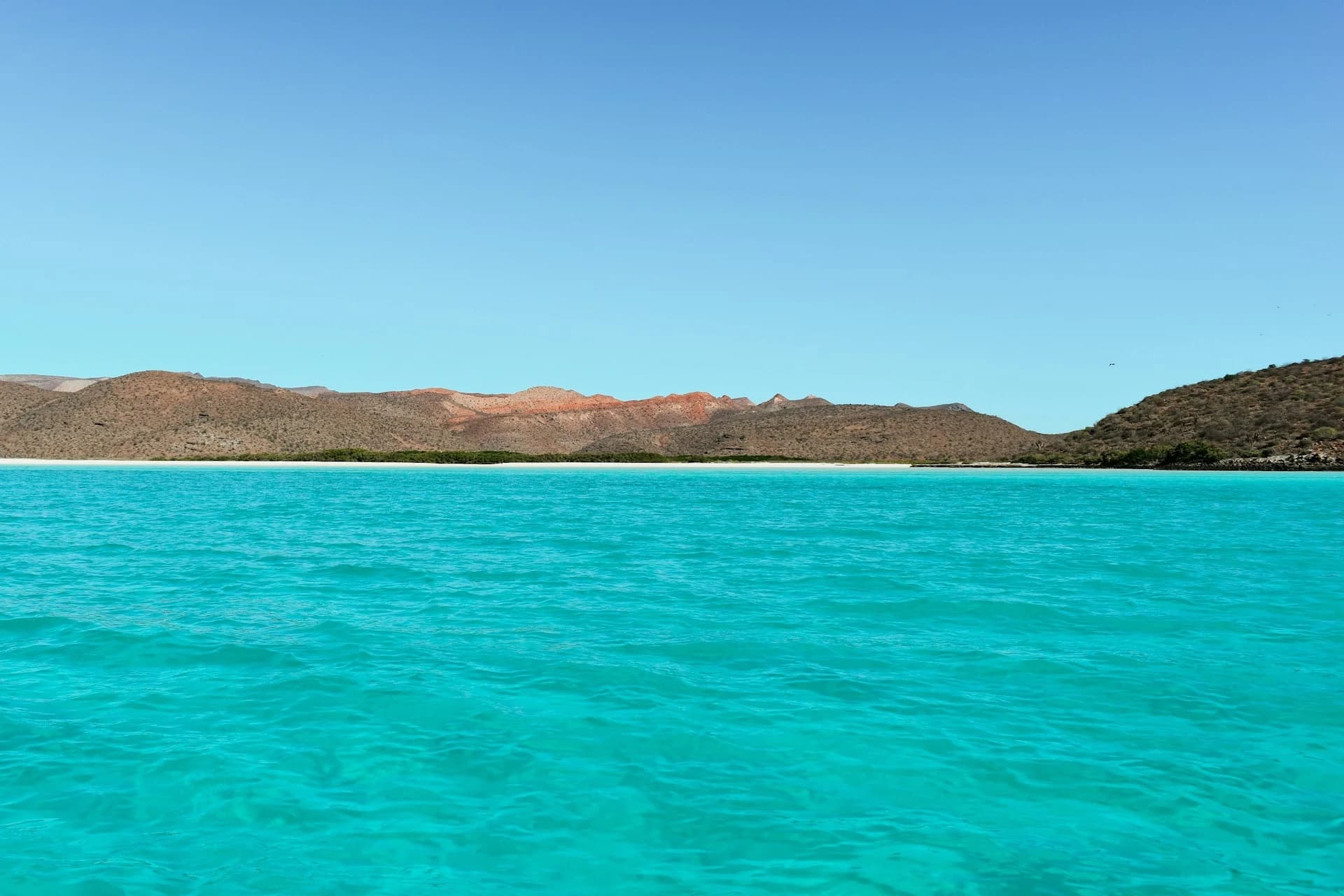
The sea temperature in La Paz in March is around 21–22°C (70–72°F), beginning to warm up from February's yearly low. Snorkeling with whale sharks and at Espíritu Santo is still best done in a wetsuit, which operators provide, and beach swimming is cool but more inviting than mid-winter. North winds ease through the month but can still build on some early-March afternoons, so mornings remain the calmest. What typically happens is that any wind builds after midday, so an 8–9 AM departure gives you the smoothest conditions and the best light.
La Paz Weather by Month: How March Compares
March sits at the warm end of La Paz's best-weather stretch and is one of the high points of the La Paz spring weather window. Here is how it lines up against the rest of the year across the four factors that most shape a trip.
| Month | Weather | Water Temp | Whale Sharks | Crowds |
|---|---|---|---|---|
| January | Excellent (dry, mild) | Cool | Peak | Low–moderate |
| February | Excellent (dry, mild) | Coldest | Peak (most reliable) | Low–moderate |
| March | Excellent, warming | Cool, warming | Peak to active | Moderate (spring break) |
| April | Warm | Warming | Late season | Moderate |
| May | Hot | Pleasant | None | Low |
| June | Very hot | Warm | None | Low |
| July | Very hot, humid | Warm | None | Low–moderate |
| August | Very hot, humid, storm risk | Warm | None | Low |
| September | Very hot, humid, storm risk | Warmest | None | Low |
| October | Hot, easing | Warm | Season starts | Low |
| November | Warm, dry | Pleasant | Peak begins | Moderate |
| December | Excellent (dry, mild) | Cooling | Peak | Moderate (late-month holidays) |
Crowds and Prices in March
March is the month La Paz wakes up a little. It is still quiet by Cabo standards, but the spring-break and Semana Santa calendar brings the year's first real crowd bump, and timing your weeks matters more than in deep winter.
- Early March (Mar 1–14): the value sweet spot. Warm weather, still-strong whale sharks, and crowds that have not yet built. Rates and tour availability are easy, and this is the window we'd target if your dates are flexible.
- Mid March (Mar 15–28): spring break builds. US college and family spring break ramps up, so beaches, tours, and waterfront hotels get busier and rates climb. Book whale shark trips a few days ahead.
- Late March (Semana Santa, around Mar 29–Apr 4 in 2026): the busiest stretch. Mexican Holy Week fills Playa Balandra and the malecón with domestic travellers. Expect peak prices and crowded beaches; go early in the day and reserve everything ahead.
Expect mid-range La Paz hotels to run roughly $130–170/night through March, higher over spring break and Semana Santa, with budget guesthouses below and boutique waterfront properties above. Even at its busiest, La Paz stays a fraction of Cabo's rates, which is why many travellers base here for wildlife and day-trip to Cabo. Flights into Los Cabos (SJD) ease slightly from winter peak, and La Paz is about a two-hour drive north, so book the shuttle or rental car ahead. Most guests find that shifting a March trip a week earlier, away from the holidays, is the single biggest saving and crowd-avoidance lever.
Swimming with Whale Sharks in La Paz in March
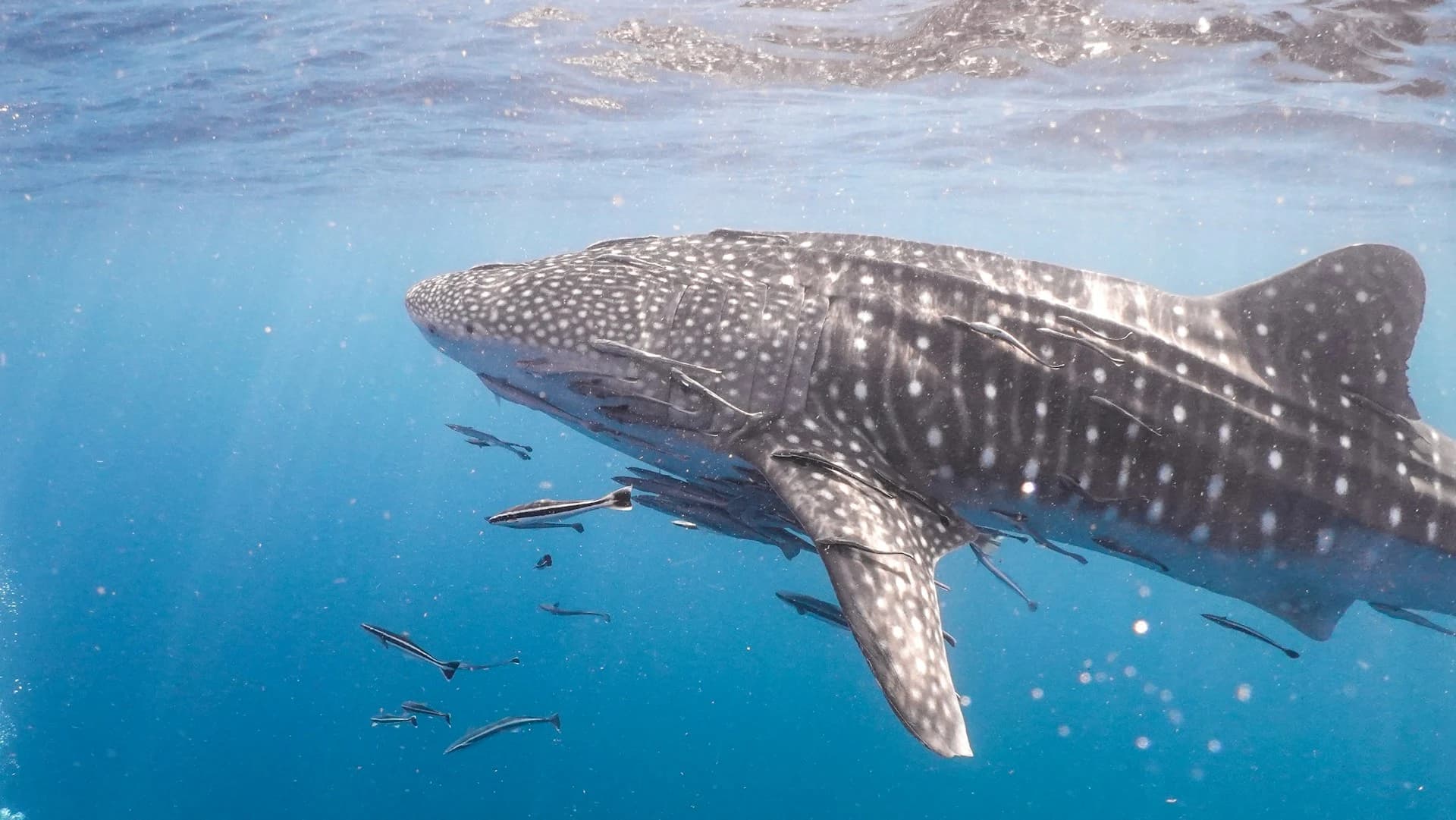
March is the warm, accessible tail of the peak. La Paz Bay still holds whale sharks reliably through the month, and because it is the back end of the busy winter season, March is often the easiest peak month to book on short notice. Juvenile whale sharks (Rhincodon typus) continue feeding in the shallow, plankton-rich bay, and morning tours keep strong success rates, though activity gradually eases as the season heads toward its April close.
The access is the same year-round draw: no cage, no dive certification, and no prior experience needed. You board a small panga from the waterfront, motor a short way into the bay, and slip in to snorkel beside an animal that can be longer than the boat. The fishery is strictly regulated to protect the sharks, with limited permits, a designated zone, life jackets or wetsuits required, snorkel-only (no scuba), and no touching. In our view, March is the month to choose if you booked late and still want peak-season whale sharks with warmer weather on top.
La Paz Whale Shark Calendar
Whale shark season in La Paz runs October through April, with the highest density between November and March. Here is the month-by-month arc so you can see exactly where March falls.
| Month | Whale Shark Activity |
|---|---|
| October | Season starts; sharks arriving and schedules building |
| November | Peak; large numbers gathering in the bay |
| December | Peak; reliable encounters and generally calm seas |
| January | Peak; high density and strong surface feeding |
| February | Peak; often the single most reliable month of all |
| March | Peak to active; the easiest peak month to book last-minute |
| April | Late season; thinning out but still possible early in the month |
- Shared panga tour (small group): the standard and best-value option; a few hours in the bay with gear, guide, and usually a wetsuit included. We'd lean toward an early departure for the calmest water.
- Private panga charter: more time, fewer people, and flexibility on timing; worth it for photographers and families who want space and a relaxed pace.
- Combo tours: several operators pair whale sharks with a sea lion snorkel at Espíritu Santo or a stop at Playa Balandra, making a full Baja wildlife day; the water is warming but a wetsuit is still worth it.
For the full operator comparison, pricing, and what to expect in the water, see our complete La Paz whale shark guide. March is usually fine to book a few days out, but reserve earlier if your dates fall over spring break or Semana Santa.
La Paz in March vs February, April & May
March is the hinge between peak winter and warm spring in La Paz, so the months around it pull in different directions. Here is how March compares if your dates are flexible.
La Paz in March vs February
February is the more reliable whale shark month and the quieter of the two, with the year's coldest water. March trades a little whale shark reliability for warmer air and water and easier last-minute booking, but brings spring-break and Semana Santa crowds. We'd lean toward February for the best shark odds and calm, and toward March if you want warmer, sunnier days and decided your trip late.
La Paz in March vs April
April is the late season: whale sharks thin out as the month goes on, though early April can still deliver, and both air and water keep warming. March holds stronger, more reliable whale shark activity, while April leans further toward warm-water beach days. We'd give March the edge for wildlife and April the edge for warmth and quieter post-Semana-Santa weeks.
La Paz in March vs May
May is past the whale shark season entirely, trading the bay's headline draw for hot, sunny weather and the warmest, most swimmable water yet, with low crowds. March is the choice if whale sharks are the point of the trip; May is the choice if you want warm-water snorkeling, Balandra beach days, and quiet over wildlife. The two months are almost opposite trips.
So what is the best month for whale sharks in La Paz? February is usually the single most reliable, with January close behind and December and March strong as well; the wider season runs October through April. March is the pick if you want peak-season sharks with warm weather and flexible, last-minute booking.
March Trade-offs: Spring-Break Crowds and Cool Water
March's catches are different from deep winter's. The wind eases and the weather is glorious, but two things shape a March trip, and both are easy to plan around.
Spring Break and Semana Santa Crowds
March brings the year's first real crowd bump. US spring break runs through the middle of the month, and Mexican Semana Santa (Holy Week, late March in 2026) fills Playa Balandra and the malecón with domestic families. The practical effect is busier beaches, fuller tours, and higher hotel rates over those weeks. The fix is timing and timing of day: target early March if you can, book whale shark and island tours a few days ahead, and arrive at popular beaches early in the morning before they fill.
Cool, Warming Water
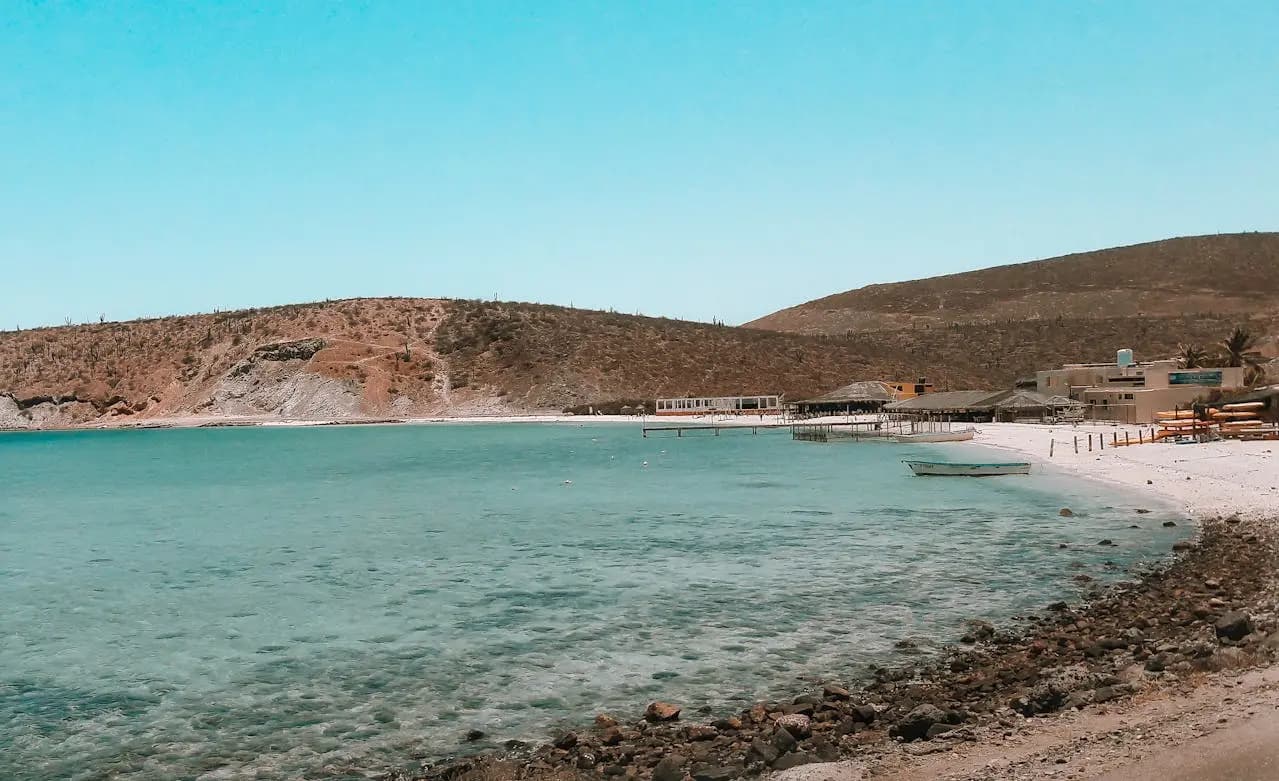
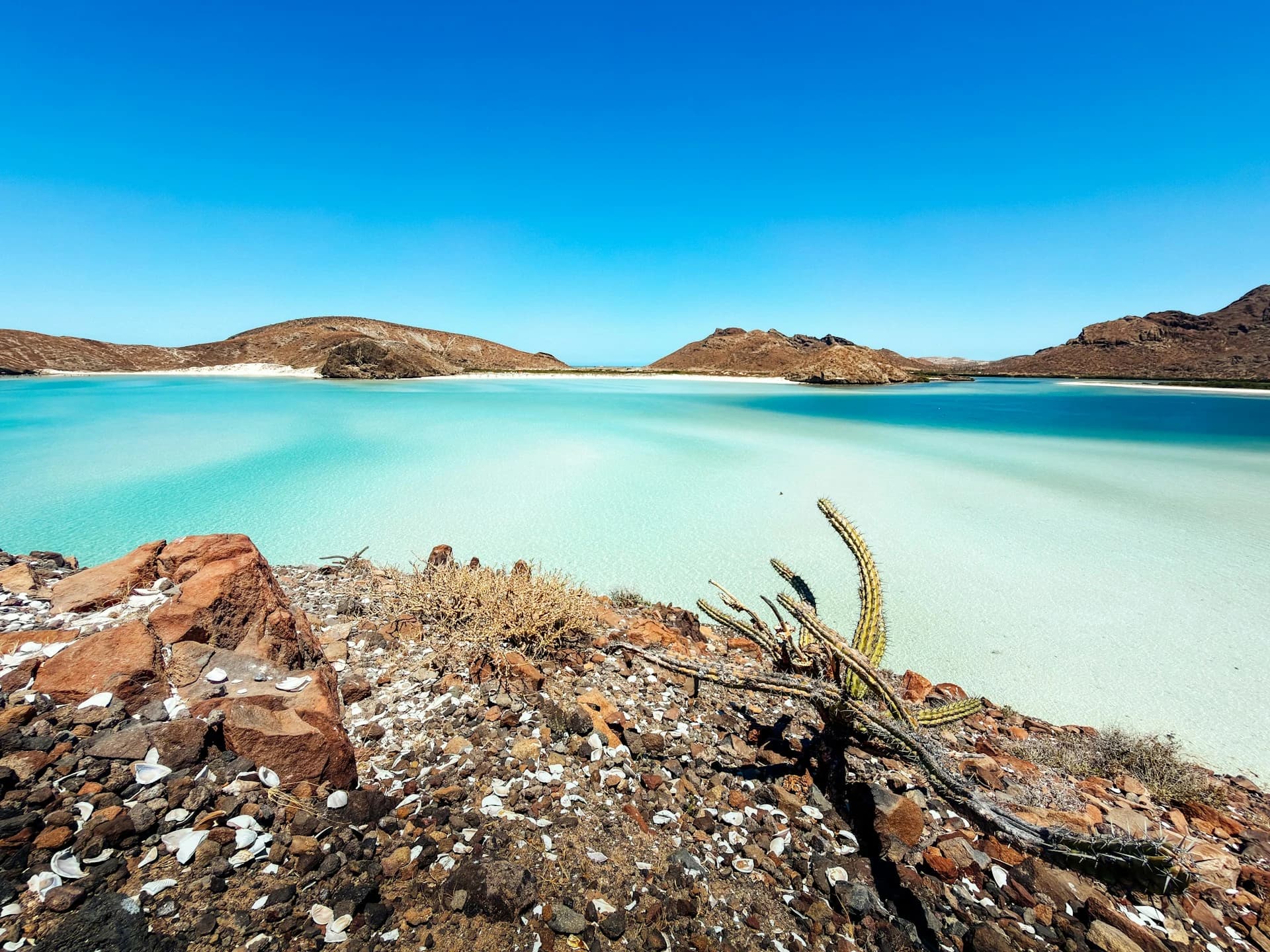
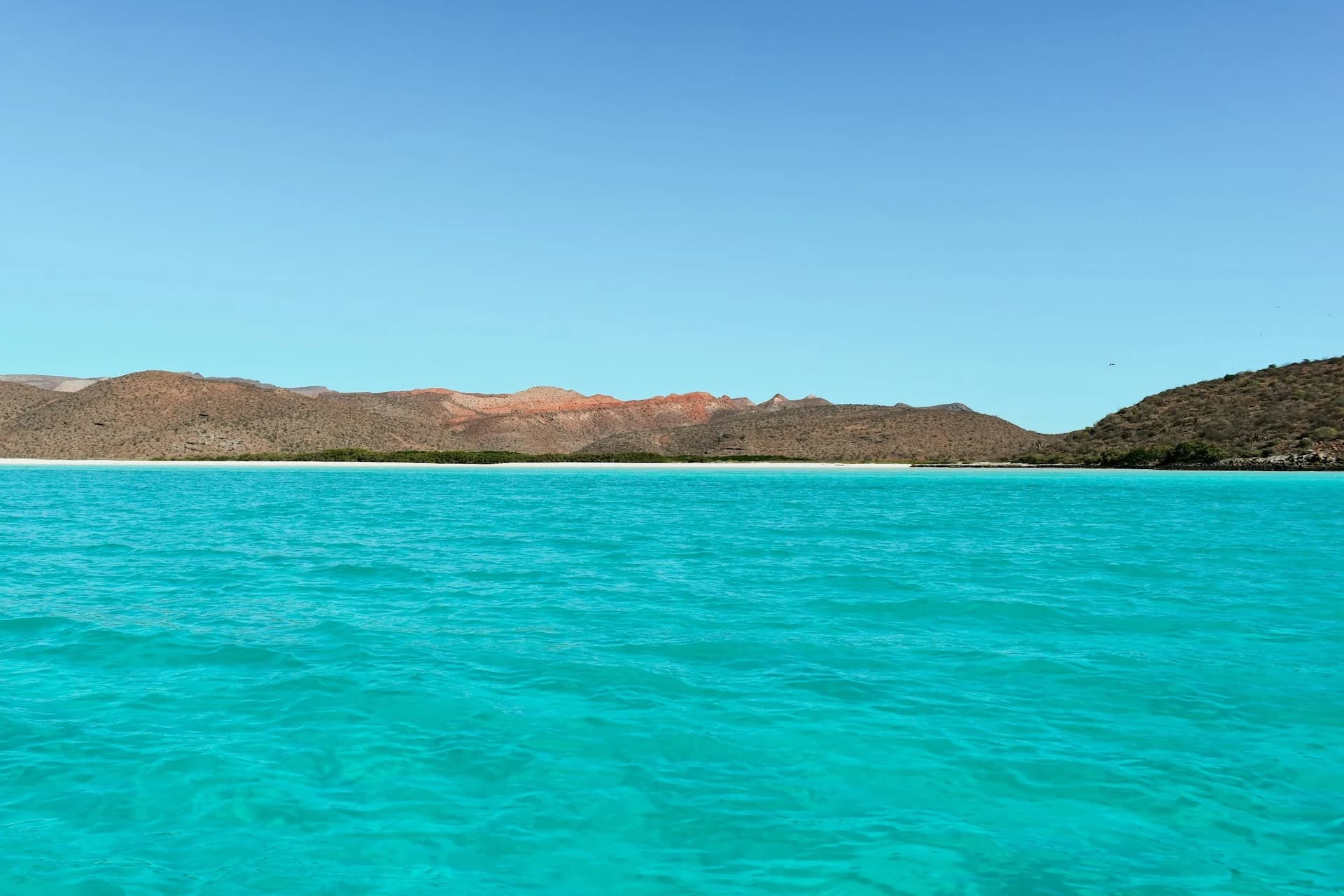
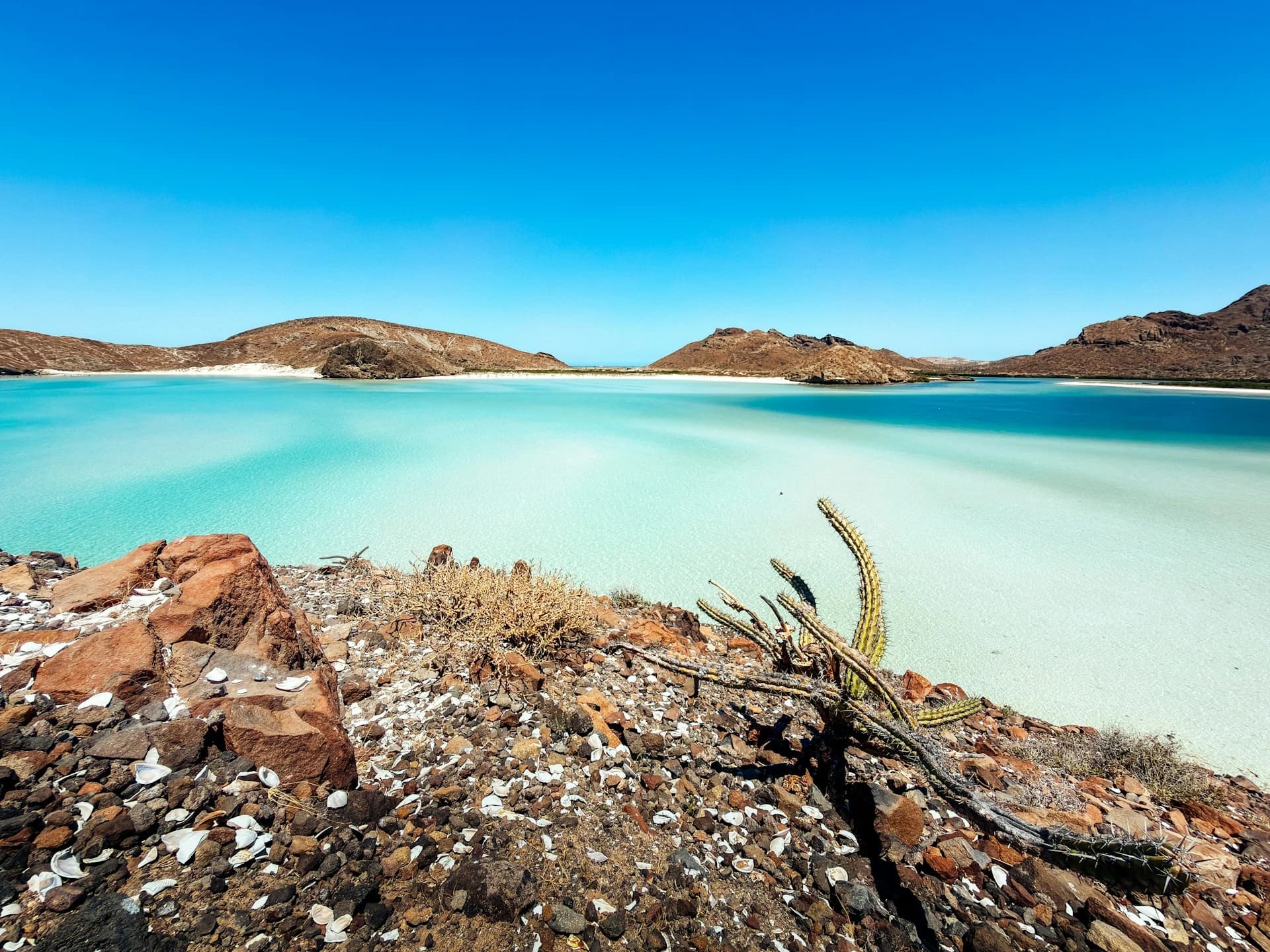
At 21–22°C (70–72°F), March water is beginning to warm from February's yearly low but is still cool. Snorkeling with whale sharks and at Espíritu Santo is best in a wetsuit, which operators provide, and beach swimming is more inviting than mid-winter but still brisk. Playa Balandra, the calm, shallow, protected bay just north of town, warms fastest in the midday sun and is the best spot for getting in. If warm-water swimming is your priority, the late-spring and summer months suit you better.
Note that none of this is hurricane-related. La Paz's storm season runs June–November, so March carries zero hurricane risk; the spring-break crowding is a planning issue, not a weather one.
Best Activities in La Paz in March
There is no shortage of things to do in La Paz in March: whale sharks are still in the bay, the warming weather is ideal for beaches and islands, and the desert and malecón are at their most pleasant. Here is how the main activities rate this month.
| Activity | March Rating | Best Time of Day | Notes |
|---|---|---|---|
| Whale shark snorkeling | 9/10 | Morning | Still peak to active; the easiest peak month to book last-minute |
| Isla Espíritu Santo & sea lions | 8/10 | Morning | Colony open and active; water warming, wetsuit still worth it |
| Playa Balandra | 8/10 | Early / Midday | Warming, calm turquoise bay; arrive early on spring-break and Semana Santa days |
| Gray whale day trip (Magdalena Bay) | 7/10 | Full day | Tail of the Jan–Mar gray whale season; early March is the better bet |
| Sandboarding (El Mogote dunes) | 8/10 | Morning | Warm, dry air; comfortable before the summer heat arrives |
| Scuba diving | 8/10 | Morning | Good visibility and warming water; spring conditions improving |
| Malecón & historic center | 9/10 | Evening | Warm, dry evenings ideal for the waterfront promenade and old town |
| Food tour | 9/10 | Any | Weather-proof; La Paz's food scene is excellent year-round |
| Sportfishing | 7/10 | Morning | Picking up as water warms; spring transition for inshore species |
| Snorkeling tours | 7/10 | Morning | Good visibility and warming water; a wetsuit is still comfortable |
What we'd prioritise in March
If you do one thing, swim with whale sharks while the season is still strong; March is the last reliably-peak month. After that, the warm, dry weather is ideal for islands and beaches, so we'd give the edge to a trip out to Isla Espíritu Santo for the sea lion colony, and an early-morning visit to Playa Balandra before the spring-break crowds arrive. Sandboarding the El Mogote dunes is still comfortable before the summer heat, and a La Paz food tour makes a great evening. Water activities like scuba diving and sportfishing improve as the water warms. For the complete menu, see our guide to the best things to do in La Paz.
More March Experiences Worth Booking
Beyond the headliners, a few experiences round out a March trip especially well:
- Gray whale day trip to Magdalena Bay: March is the tail of the January–March gray whale season in the Pacific lagoons, a roughly three-hour drive west of La Paz. Early March is the safer bet, with mothers and calves still approaching the boats.
- Whale shark + sea lion combo: the most efficient way to bag two of Baja's best wildlife encounters in one morning while the shark season is still strong, with the water warming but a wetsuit still useful.
- Early-morning Balandra beach day: March's warm afternoons make the shallow turquoise bay a highlight, but spring-break and Semana Santa crowds fill it; arrive early to enjoy it at its calmest.
- Isla Espíritu Santo overnight or kayak camp: for the adventurous, the protected island's beaches and snorkeling sites are warming up and still quiet outside the holiday weeks.
- Day trip to Todos Santos: the artsy Pacific pueblo mágico is an easy add-on, with galleries, surf beaches, and a relaxed afternoon away from the water.
From Our Experience
The one thing we'd tell every March visitor is to mind the calendar: book early March if you can, because the same warm weather and strong whale sharks come with far smaller crowds and lower prices than the late-month spring-break and Semana Santa surge.
Tips for Visiting La Paz in March
- Target early March if your dates flex. You get warm weather and still-peak whale sharks with the smallest crowds and lowest prices, before spring break and Semana Santa build.
- Book ahead over the holiday weeks. US spring break and late-March Semana Santa fill tours and waterfront hotels; reserve whale shark trips and beaches days a little further ahead if your dates land there.
- Arrive at Playa Balandra early. The shallow bay is a March highlight but fills with local families over the holidays; an early start gets you the calm, photogenic version.
- Still plan for a wetsuit. At 21–22°C the water is warming but cool; snorkeling is more comfortable in one, which whale shark and island operators provide.
- Choose morning departures on the water. Wind eases in March but can still build on early-month afternoons, so 8–9 AM tours are calmer and clearer.
- Book boat tours with free cancellation. Early-March winds and busy holiday logistics both make a free-cancellation buffer worthwhile.
- Consider basing in La Paz over Cabo. Even at spring-break prices, La Paz runs well below Cabo, and you are closer to the whale sharks, sea lions, and Balandra.
- Visiting at a different time of year? February is the most reliable whale shark month, while April is the warm, quiet end of the season: see our La Paz in February and La Paz in April guides. The season runs October through April, while the warm summer months trade whale sharks for warm water and sea lion snorkeling.
How We Put This Guide Together
The Cabo Tour Guides team built this March guide from long-run climate data for La Paz and the southern Sea of Cortez, whale shark season records for La Paz Bay, and the booking and pricing patterns we track across local operators and hotels through the late winter and spring-break season. Ratings reflect what actually shapes a March trip: still-strong whale shark activity, warm dry air, cool but warming water, easing north winds, and the year's first real crowd bump over spring break and Semana Santa. We weighed each activity on how its real-world conditions change in March rather than on its year-round reputation. Tour recommendations point to operators with verified booking records and strong review volume, with an emphasis on morning departures and free-cancellation flexibility that matter most during the windy early-month mornings and busy holiday weeks.
Frequently Asked Questions
Is La Paz, Mexico good in March?+
Yes. March is one of the most comfortable months to visit La Paz, with warm, dry, sunny days around 26°C and whale sharks still in the bay. It is the easiest peak month to book last-minute. The main trade-off is busier spring-break and Semana Santa weeks, plus water that is still cool at 21–22°C.
What is the weather like in La Paz in March?+
March is warm, dry, and sunny. Daytime highs average about 26°C (79°F) with low humidity, lows are mild around 14°C (57°F), and rain is essentially nonexistent. North winds ease through the month but can still build on some early-March afternoons.
Can you swim with whale sharks in La Paz in March?+
Yes. March is still peak to active whale shark season in La Paz Bay, and because it is the back end of the busy winter season, it is often the easiest peak month to book last-minute. Juveniles keep feeding near the surface, and morning tours hold strong success rates as the season heads toward its April close.
What is the sea temperature in La Paz in March?+
The sea temperature in La Paz in March is around 21–22°C (70–72°F), beginning to warm from February's yearly low. It is comfortable for snorkeling in a wetsuit, which whale shark and island operators provide, and more inviting for beach swimming than mid-winter, though still cool.
Can you swim in La Paz in March?+
Yes. The water is warming to around 21–22°C (70–72°F), so it is more inviting than mid-winter but still cool for long swims. A wetsuit makes snorkeling comfortable, and the calm, shallow Playa Balandra warms fastest and is the best spot to get in the water.
Is La Paz crowded in March?+
March brings the year's first real crowd bump. US spring break runs through mid-month and Mexican Semana Santa (late March in 2026) fills Playa Balandra and the malecón with domestic families. Early March is much quieter, so shift your dates earlier if you want La Paz at its calmest and cheapest.
What is the best week to visit La Paz in March?+
Early March, before spring break and Semana Santa, is the sweet spot: warm weather, still-strong whale sharks, easy last-minute booking, and the lowest crowds and prices of the month. The late-March holiday weeks are the busiest and most expensive.
What activities are best in La Paz in March?+
Whale shark snorkeling is still the standout while the season holds. Beyond that, March's warm, dry weather is ideal for Isla Espíritu Santo sea lion trips, early-morning Playa Balandra beach days, sandboarding, food tours, and the tail of the Magdalena Bay gray whale season. Diving and fishing improve as the water warms.
Is there a hurricane risk in La Paz in March?+
No. La Paz's hurricane and storm season runs June through November, peaking in late summer. March carries zero hurricane risk. The only weather variable is the occasional early-month north wind, which can chop up the bay on some afternoons but is a comfort issue, not a safety one.
Affiliate note: Some links on this page are affiliate links. If you book through them, we may earn a small commission at no additional cost to you.