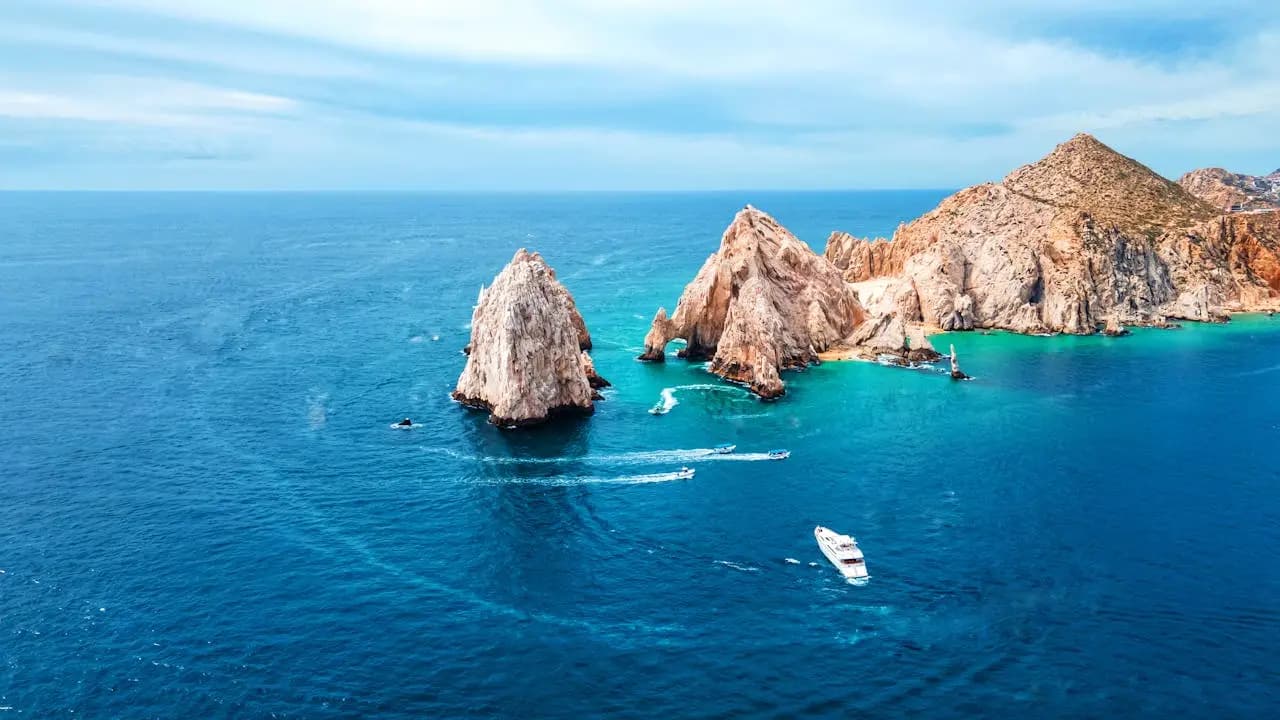
Cabo San Lucas is one of Mexico's more established and generally safer tourist destinations, but the real risk is the ocean, not crime. Here is what the advisories actually say and how to stay safe in 2026.
What You Should Know
- Cabo San Lucas sits in Baja California Sur, which the U.S. State Department rates Level 2: Exercise Increased Caution, the same level applied to France and the United Kingdom. This is a different state from Baja California (Tijuana area) to the north, which carries a higher Level 3 warning; the two are routinely confused.
- The most underestimated danger in Cabo is the water, not crime. Pacific-facing beaches such as Divorce Beach have powerful undertow and sneaker waves that pull strong swimmers out in seconds. Medano Beach inside the protected bay and Lover's Beach on the Sea of Cortez side are the main swimmable beaches.
- Travelers consistently report feeling very safe, including solo and with kids. The few incidents that come up cluster late at night around the Marina and downtown bars; staying out of trouble is mostly about not wandering alone and intoxicated after midnight.
- The common hassles are non-violent: persistent vendor, timeshare, and drug solicitation along the Marina, bar tabs that do not add up, and unofficial taxi pricing. Pre-booking an airport transfer, paying as you go rather than running a tab, and a firm 'no thanks' handle nearly all of it.
Is Cabo San Lucas Safe to Travel in 2026?
Yes, Cabo San Lucas is generally safe for tourists in 2026, especially in resort areas, Medano Beach, the Tourist Corridor, and the Marina during the day and evening. The main risks are unsafe Pacific-facing beaches, late-night nightlife issues, overcharging, and aggressive solicitation.
Cabo San Lucas is widely considered one of Mexico's more established and generally safer tourist destinations, and the experience most visitors describe is closer to a standard beach holiday than the headlines about Mexico might suggest. Los Cabos sits at the southern tip of the Baja California peninsula in the state of Baja California Sur (BCS), a tourism-driven region with a heavy security presence, gated resorts, and visible police and military patrols in the tourist areas. Based on what we've seen across traveler reports, the gap between Cabo's reputation in the headlines and how it actually feels on the ground is one of the widest of any Mexican destination.
This guide covers what the current Cabo travel advisory status actually says, which beaches are safe to swim, which areas and situations call for more caution, and the practical steps that significantly reduce the most common risks. If you are asking whether it is safe to travel to Cabo right now, our honest answer is yes, with context.
One important clarification up front, because it causes a lot of confusion: Baja California Sur is not the same as Baja California. Baja California is the northern state along the U.S. border (Tijuana, Mexicali) and carries a higher advisory level. Los Cabos is roughly a thousand miles south, at the far end of a long peninsula, with no land border and no major drug-trafficking corridor running through it. Travelers and longtime residents repeatedly describe Cabo as feeling safer than major U.S. cities.
For a full picture of what to do once you arrive, our guide to the best things to do in Cabo San Lucas covers activities across the Marina, the Corridor, and beyond.
Current Cabo Travel Advisory: What Each Government Says
According to the official travel advisories published by the U.S. State Department, the Government of Canada, the UK Foreign, Commonwealth & Development Office, and Australia's Smartraveller, here is the current picture for Mexico and for Baja California Sur specifically, as of 2026. Each row links to the issuing government's official page so you can verify the current status directly. These advisories apply to the BCS region where Los Cabos is located.
| Government | Advisory Level | Baja California Sur Specific | Official Source |
|---|---|---|---|
| United States | Level 2: Exercise Increased Caution | No additional state-level restriction for Baja California Sur. No travel restrictions for U.S. government employees in BCS. (Baja California to the north is Level 3, a separate state.) | U.S. State Department |
| Canada | Exercise a High Degree of Caution | Country-wide language; Los Cabos and the resort corridor are not specifically flagged as high-risk for tourists. | Government of Canada |
| United Kingdom | Exercise Caution | Baja California Sur tourist areas noted as generally lower risk than several other Mexican states. | UK Foreign, Commonwealth & Development Office |
| Australia | Exercise Normal Safety Precautions (tourist areas) | Recommends standard precautions in popular tourist destinations including Los Cabos. | Smartraveller (Australia) |
Advisory levels last checked: June 2026.
ℹ️ Travel advisories are updated regularly. Always check your government's official advisory page before departure for the most current status.
The pattern across all four governments is the same one we see for other established Mexican beach destinations: Los Cabos does not draw the elevated warnings that some of Mexico's northern border states receive. Most people don't realize the U.S. Level 2 rating is applied state by state, and Baja California Sur is among the lowest-risk tourist states in the country. The reason comes down to geography and economics: Cabo is a tourist town at the end of a peninsula with no trafficking route through it, and the local economy lives entirely on visitors, so there is strong pressure across the board to keep tourists safe and spending.
Cabo Safety by Area: Quick Reference
| Area | Safety Level | Best Advice |
|---|---|---|
| Tourist Corridor resorts (SJD to Cabo San Lucas) | Very safe | Gated, with vehicle and guest checks at entry; on-grounds risk is minimal |
| Medano Beach | Generally safe | Calm, protected swimming; watch belongings and expect beach vendors |
| Marina & downtown Cabo San Lucas (daytime / evening) | Generally safe | Fine to walk and dine; expect persistent vendor and tour solicitation |
| San José del Cabo | Very safe | Quieter and more low-key; the town goes to sleep early |
| Marina nightlife strip after midnight | Use caution | Stay with your group, guard your drink, do not wander off intoxicated |
| Pacific-facing beaches (Divorce Beach, Solmar side) | Dangerous for swimming | Do not enter the water; powerful undertow and sneaker waves |
Cabo Beach Safety: The Ocean Is the Real Risk
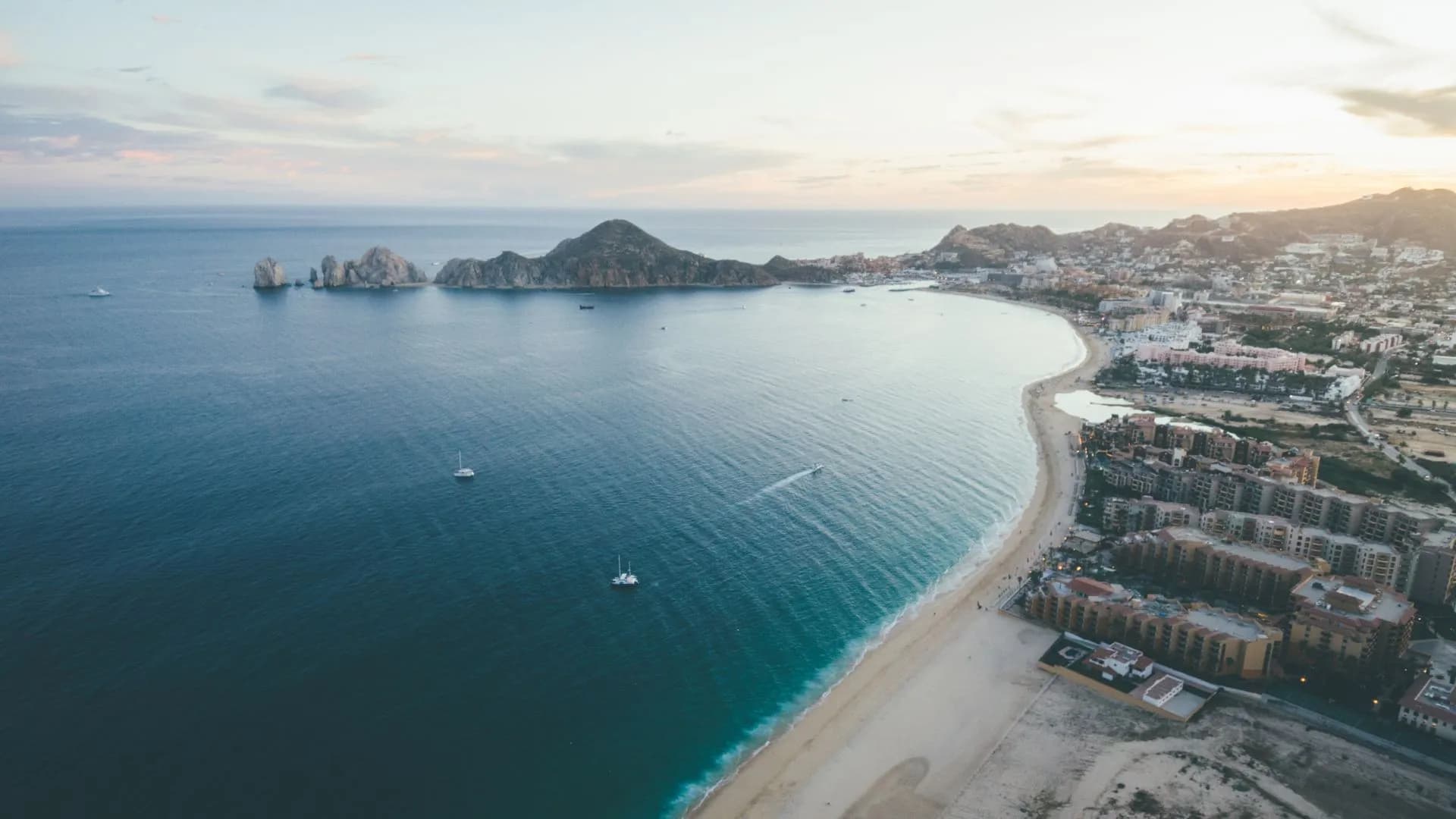
If there is one thing to take away from any honest safety guide for Los Cabos, it is this: the water is more dangerous than the streets, and local authorities and ocean-safety guidance consistently flag the Pacific-facing beaches as the real hazard. Cabo sits where the Pacific Ocean meets the Sea of Cortez, and the two sides could not be more different. The biggest difference is which way the beach faces. The Sea of Cortez side is sheltered, with gradual sandy bottoms and calm water. The Pacific side is deep, powerful, and unpredictable, with steep underwater drop-offs and waves that break directly onto the sand.
Swimmable Beaches
- Medano Beach: The main swimming beach, set inside the protected Cabo San Lucas bay. Typically calm and clear, good for swimming, paddleboarding, and floating. This is where most resort-area beach time happens.
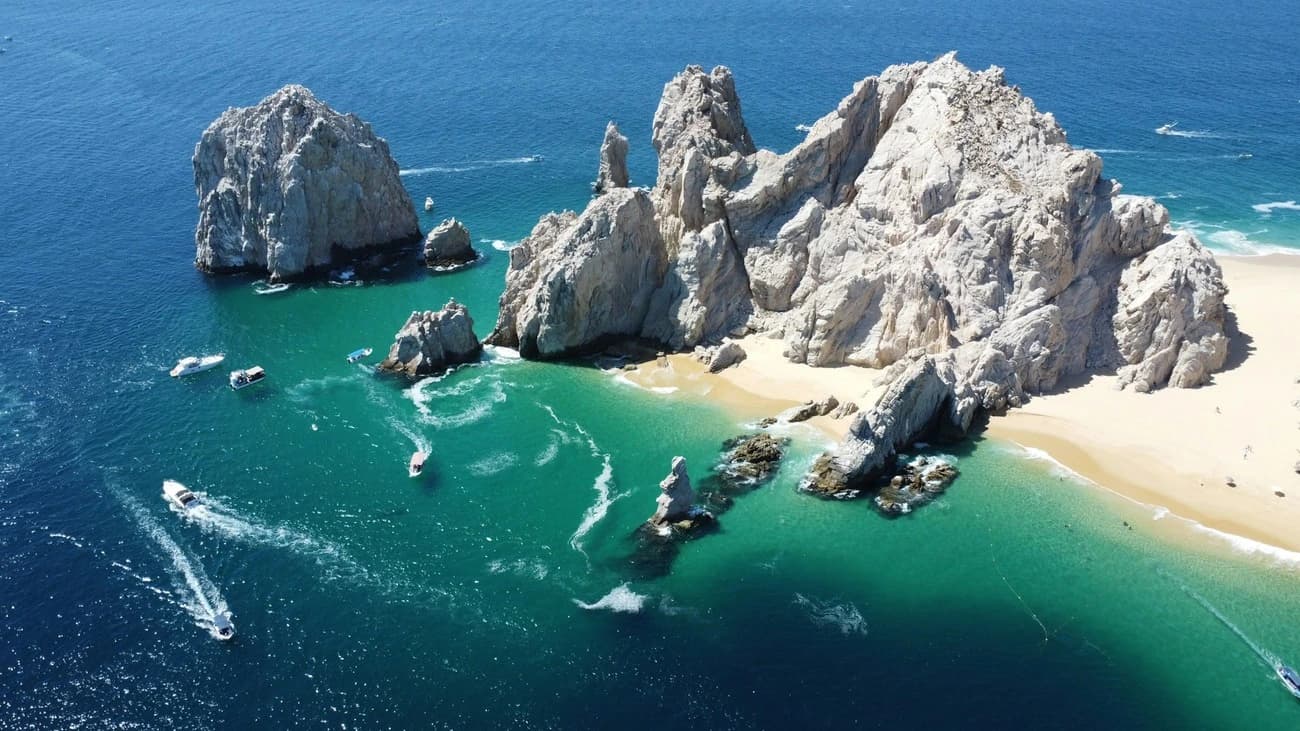
- Lover's Beach (Playa del Amor): The crescent beach at Land's End, on the Sea of Cortez side near the Arch. Swimming and snorkeling here are generally safe. Small water taxis run out to it from the Marina for roughly $12 to $15 per person, and you do not need to reserve in advance.
Beaches Where You Should Not Swim
- Divorce Beach (Playa del Divorcio): Directly on the other side of Land's End from Lover's Beach, facing the open Pacific. Less than a kilometre from calm water, but the undertow here is notorious and can pull a strong swimmer out in seconds. It is a beautiful place to walk and photograph, not to swim. What few visitors realize is that Lover's Beach and Divorce Beach share the same sand spit, so you can walk from a safe swim straight onto a deadly one with no barrier or sign marking the change.
- Other Pacific-facing beaches: Much of the open-ocean coastline outside the bay is unsafe for swimming because of strong currents, shore break, and sudden large swells. Local authorities periodically warn visitors to be cautious on all beaches after high-swell events.
The single most reliable rule: only swim at designated swimming beaches, and when in doubt, stay in the protected bay. Conditions on the Pacific side can look deceptively manageable from shore and change quickly. One pattern we noticed: serious water incidents in Cabo almost always involve someone entering the ocean where they should not have, not a posted swimming beach.
ℹ️ A calm-looking Pacific beach is not a safe swimming beach. If there is no lifeguard and no other swimmers, treat that as a sign, not an opportunity.
Which Situations in Cabo Require More Caution?
Accurate safety advice for Cabo is less about no-go neighbourhoods and more about a handful of specific situations. Cabo's serious-crime risk for tourists is low; these are the everyday friction points and the few scenarios where travelers actually run into trouble.
Nightlife After Midnight and Drink Safety
This is where the rare incidents concentrate. The advice repeated most often by people who visit regularly is simple: it is very safe until the small hours, and the trouble usually starts with wandering around alone and heavily intoxicated after midnight. Watch your drink, stay with your group, and have a plan to get back to your hotel. Drink-spiking does happen, and an impaired visitor is the easy target for opportunistic theft, including being walked or driven to an ATM. The main thing we'd watch for is not the bar itself but the trip home; arranging your ride back before you go out, rather than improvising at 2 AM, removes the moment when most incidents actually happen. None of this is unique to Cabo; it is standard nightlife caution, and it matters most in the Marina bar strip late at night.
Vendors, Timeshare Pitches, and Drug Solicitation
The most common complaint by far is not danger, it is persistence. Expect to be approached repeatedly around the Marina and on Medano Beach by people selling tours, boat trips, jewelry, and timeshare presentations (often framed as "free breakfast" or free activities), and occasionally offering drugs. This is an annoyance rather than a threat. A firm, friendly "no, gracias" and continuing to walk is all it takes. The catch with the "free breakfast" and free-activity offers is that they are timeshare presentations that can eat half a vacation day, so declining up front protects your schedule more than your wallet. Do not engage with anyone offering drugs: beyond the legal risk, it is the one interaction most likely to invite a police shakedown.
Bar Tabs and Overcharging
A recurring money complaint: some bars and clubs inflate tabs, and the math at the end of the night may not add up. The fix we'd suggest, and the one regulars echo, is to pay as you go rather than running an open tab, agree on prices before ordering bottle service, and keep an eye on your card. Also be aware that with cash, change is sometimes "forgotten," so count it.
Police, Pharmacies, and Hospitals
- Police: If you are carrying drugs or get into an altercation, local police may look for an on-the-spot payment. The cleanest way to avoid this is to not give them a reason. Treat any interaction with authorities calmly and avoid confrontation.
- Pharmacies: Some Mexican pharmacies have been found selling counterfeit or substandard medication. Buy only from established, reputable pharmacies, and bring any prescription medication you rely on from home.
- Private hospitals: Private clinics in tourist areas provide good care but are known for aggressive billing and large up-front demands. This is the strongest argument for travel insurance that includes medical coverage and evacuation; without it, a medical situation can become very expensive very fast.
Driving Outside Town
Renting a car and driving the Corridor or out to places like Todos Santos is common and generally trouble-free. Two practical heads-ups travelers raise often: free-roaming cattle on rural roads at night are a genuine hazard, so avoid driving remote stretches after dark, and some restaurants and rentals sit at the end of very rough dirt roads. If you rent at the airport, we'd lean toward a known company over the cheapest unknown operator; the billing surprises travelers report are almost always with the bargain desks.
From Our Experience
We've found the most underestimated risk in Cabo is the ocean, not crime. Travelers who get hurt almost always went into the water on a Pacific-facing beach that looked calm from shore. Treat Medano and Lover's Beach as the swimming beaches and the open-ocean side as scenery only, and you remove the single biggest danger here.
Practical Cabo Safety Tips for 2026
- Book your airport transfer before you land: This is the easy win for a smooth, safe arrival. A pre-arranged transfer means a confirmed driver, a fixed price, and no negotiating with solicitors after a long flight, and the airport-to-hotel run is the most common point of friction for first-timers. We recommend pre-booking a vetted private or shared transfer rather than grabbing an unofficial taxi; see our Los Cabos airport transfer guide to compare options, prices, and transfer times. Many repeat visitors arrange one reliable driver and use them all week.
- Respect the ocean without exception: Swim only at designated beaches like Medano and Lover's Beach. Stay out of the water on Divorce Beach and any Pacific-facing shore, regardless of how calm it looks. This is the most important safety rule in Cabo.
- Save the heavy nights for early, not 2 AM: The Marina and downtown are safe in the evening; the rare incidents happen in the small hours. Stay with your group, watch your drink, and do not wander alone and intoxicated after midnight.
- Pay as you go at bars: Avoid running an open tab, confirm prices before bottle service, and count your change. Tab math not adding up is the most common money complaint in Cabo nightlife.
- A firm 'no' handles the vendors: Expect constant offers for tours, timeshares, and occasionally drugs around the Marina and Medano Beach. It is persistent, not dangerous. Never engage with drug offers; that is the fastest route to a police shakedown.
- Use ATMs inside banks, hotels, or malls: Machines inside Puerto Paraíso mall, banks, and resort lobbies are lower risk than streetside ATMs, especially at night.
- Carry travel insurance with medical evacuation: Private hospitals here are good but bill aggressively and may demand large up-front payment. Insurance is the difference between an inconvenience and a financial emergency, and it matters more if you plan diving, ATV, or boating activities.
- Keep your passport in the safe: Carry a photocopy and leave the original in your hotel safe. Buy any essential medication before you travel rather than relying on local pharmacies.
- Know your resort's 24-hour number and register with your embassy: Your resort's around-the-clock security is your first call if something goes wrong. U.S. travelers can enroll in the Smart Traveler Enrollment Program (STEP) for alerts.
- Drive carefully outside town: Avoid remote rural roads after dark (free-roaming cattle are a real hazard), and choose a reputable rental company over the cheapest one at the airport.
How We Researched This Guide
The Cabo Tour Guides team compiled this safety guide using current government advisory sources (U.S. State Department, Government of Canada, UK FCDO, and Australian Smartraveller), beach and ocean-condition guidance for Los Cabos, and firsthand reports from travelers and residents who spent time in Cabo San Lucas through 2025 and 2026. We deliberately excluded generic content that applies the same risk assessment to all of Mexico. Baja California Sur is a different state with a different risk profile from Mexico's northern border regions, and conflating them misleads travelers. Our aim is destination-specific information that helps people make real decisions about their trip. This guide is reviewed when advisory levels change or new local safety information is published. Information was last verified in June 2026.
Frequently Asked Questions
Is Cabo San Lucas safe to travel to right now?+
Cabo San Lucas is widely regarded as one of Mexico's more established and generally safer tourist destinations. It sits in Baja California Sur, which the U.S. State Department rates Level 2: Exercise Increased Caution, the same level as France and the UK. The resort corridor, Medano Beach, and the Marina before midnight see few incidents. The biggest real risk is dangerous surf on Pacific-facing beaches, not crime.
What is the current US travel advisory for Cabo?+
Baja California Sur, the state where Los Cabos is located, is rated Level 2: Exercise Increased Caution by the U.S. State Department, with no additional state-level restriction and no travel restrictions for U.S. government employees. Note that this is a different state from Baja California (Tijuana area) to the north, which carries a higher Level 3 warning. Always check travel.state.gov before departure.
Is it safe to walk around Cabo San Lucas at night?+
The Marina and downtown are generally safe to walk in the evening, and many travelers report doing so without any concern. The caution applies to the small hours after midnight, particularly around the nightclub strip. Stay with your group, guard your drink, and avoid wandering alone while intoxicated. San José del Cabo is even quieter and tends to go to sleep early.
Are the beaches in Cabo safe to swim?+
Some are, some are not, and the difference matters. Medano Beach inside the protected bay and Lover's Beach on the Sea of Cortez side are the main swimmable beaches. Divorce Beach and other Pacific-facing beaches have powerful undertow and sneaker waves and are not safe for swimming, even when they look calm. Only swim at designated swimming beaches, and when in doubt, stay in the bay.
Is Cabo safe for solo female travelers?+
Cabo is one of the more comfortable destinations in Mexico for solo female travelers, and many report feeling safer there than in their own cities. Standard precautions apply: stay in well-lit tourist areas, keep your group in sight at night, do not accept drinks from strangers, use a cross-body bag, and stay aware of your surroundings. Most solo female travelers in Cabo report no safety concerns.
Should I take taxis or Uber in Cabo?+
Both operate in Los Cabos. The most consistent advice from regular visitors is to pre-arrange an airport transfer with a reputable company rather than grabbing an unofficial taxi on arrival, and many arrange one reliable driver for the week. For getting around, agree on the fare before a taxi ride since most are not metered. Rideshare is used by many visitors, while some prefer arranged private transport; see our Los Cabos airport transfer guide for the full breakdown.
What should I avoid in Cabo San Lucas?+
Avoid swimming on Pacific-facing beaches like Divorce Beach. Avoid wandering alone and intoxicated around the Marina after midnight. Avoid running an open bar tab, since overcharging is the most common money complaint. Avoid engaging with anyone offering drugs, which is the fastest route to a police shakedown. And avoid unofficial airport taxis by pre-booking a transfer. Most issues in Cabo trace back to one of these.
Do I need travel insurance for Cabo?+
Travel insurance is strongly recommended. Private hospitals in Los Cabos provide good care but are known for aggressive billing and large up-front payment demands, so coverage that includes medical care and evacuation is valuable. It matters even more if you plan activities like diving, ATV tours, or boating, where the nearest specialist facility may be some distance away.
Is Cabo safer than Cancun?+
Both are among Mexico's more established and generally safer tourist destinations, and both sit in states the U.S. State Department rates Level 2: Baja California Sur for Cabo and Quintana Roo for Cancun. Travelers often describe Cabo as feeling especially safe given its location at the end of the Baja peninsula with no major trafficking corridor running through it. The bigger practical difference is the water: more of Cabo's Pacific-facing beaches have dangerous surf, while a larger share of Cancun's Caribbean beaches are swimmable. Neither is clearly safer overall, and both reward the same standard precautions.
Is Cabo safe for families?+
Yes. Cabo is a popular family destination, and travelers regularly report visiting with children without issues. Gated resorts along the Tourist Corridor have controlled entry and security, and Medano Beach offers calm, protected swimming inside the bay. The main family consideration is the ocean rather than crime: keep children out of the water on Divorce Beach and other Pacific-facing shores, and stick to designated swimming beaches like Medano and Lover's Beach.
Is Cabo safe during spring break?+
Cabo is a major spring break destination and is generally safe during the season, but the risks that exist concentrate in nightlife rather than targeted crime. Most spring-break incidents involve heavy drinking, drink safety, and wandering alone late at night. Staying with your group, watching your drinks, pacing alcohol, and arranging your ride back before going out are the same precautions that work year-round and handle nearly all of it.
Is it safe to leave the resort in Cabo?+
Yes. Leaving the resort to visit the Marina, downtown, San José del Cabo, or to take a tour is common and generally trouble-free, especially during the day and evening. Use pre-arranged transport or established taxis, agree on fares before the ride since most taxis are not metered, keep valuables secure, and expect persistent vendor and timeshare solicitation, which is an annoyance rather than a danger.
Is downtown Cabo San Lucas safe?+
Downtown Cabo San Lucas and the Marina are generally safe to walk and dine during the day and evening, and many visitors report doing so comfortably. Use more caution in the small hours after midnight around the nightclub strip: stay with your group, guard your drink, and avoid wandering alone while intoxicated. Frequent vendor and tour solicitation is normal here and is not a safety threat.
Affiliate note: Some links on this page are affiliate links. If you book through them, we may earn a small commission at no additional cost to you.